How To Spend A Day At Rottnest?
A worked one-day Rottnest Island itinerary built only from verified facts: ferry crossings, free Salt Store walks, a bike loop or bus tour, snorkelling at Parker Point, quokka watching hours and the return sailing.
How To Spend A Day At Rottnest?
The best single day on Rottnest runs ferry, walk or ride, swim, wildlife, ferry: cross in the morning from Fremantle, Hillarys or Perth, spend the middle of the day on a bike loop or the Island Explorer bus, snorkel Parker Point in the early afternoon, watch quokkas in the settlement as the light softens, and sail back on a late afternoon crossing. The island is small, 11 km long by 4.5 km wide, with 63 beaches and 22 km of cycle paths, so a day is genuinely enough to see the shape of it. What a day is not enough for is everything, and this guide is about choosing the right five or six things rather than sprinting through fifteen. If the bus loop sounds easier than pedalling, our breakdown of what the Rottnest Island Explorer bus really costs explains the fares and the free ways to get around instead.
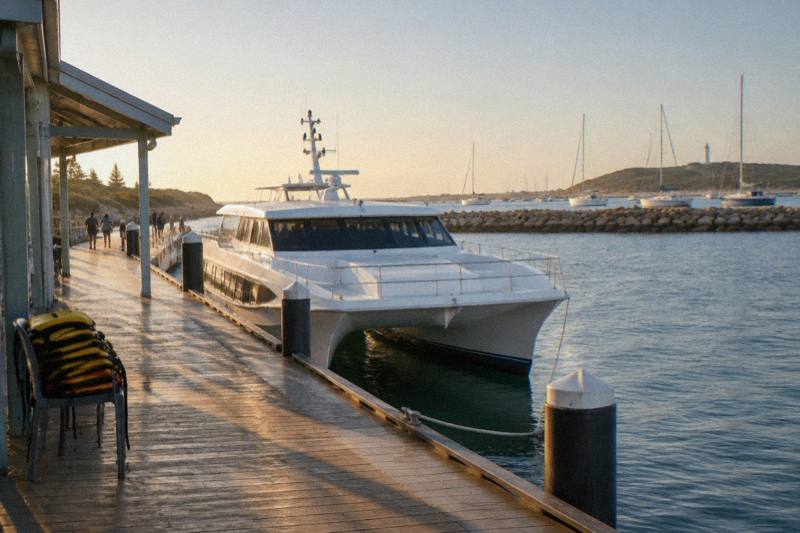
Three ferry operators run to the island from four mainland departure points. SeaLink Rottnest, Rottnest Express and Rottnest Fast Ferries all arrive at the Main Jetty in Thomson Bay, and the crossing takes about 25 minutes from Fremantle, 45 from Hillarys, and up to 90 from Barrack Street Jetty in Perth, according to the official ferry page. Timetables vary by season and weather, so the day below is built as a sequence, not a clock.
The classic choice for a first visit is a ferry-and-bike package. The Rottnest Fast Ferries bike day from Hillarys, the Rottnest Express bike day from Fremantle and the SeaLink ferry and bike package all bundle the return ferry, a bike and the island admission fee, which is A$21.50 for a single-day adult and is collected inside the ferry fare. If riding 22 km sounds like the wrong kind of holiday, the SeaLink ferry and bus tour covers the same ground seated, and island-only options like the Oliver Hill train and tunnel tour or the Segway tours fill the middle of a day without a pedal stroke.
Morning: The Crossing And Your First Hour Ashore
Board the earliest sensible sailing, arrive at least 30 minutes before departure as every operator asks, and spend your first hour ashore in the Thomson Bay settlement: collect or confirm your bike, walk the waterfront to the Basin direction, and check the Salt Store notice board for the day's free guided walks. Everything on the island radiates from the Main Jetty, so there is no transfer to plan and no taxi to catch. The settlement has the bakery, the shops, the bike hire outlets and the greatest concentration of quokkas, which is why it pays to walk it slowly before setting off.
The crossing itself sets the tone. From Fremantle the ferry is over in about 25 minutes, barely long enough to finish a coffee; from Hillarys it is about 45; from Barrack Street Jetty it is up to 90 minutes along the Swan River and coast, which turns the transfer into a harbour cruise before the day has even started. Parking differs by port: free short and overnight parking at Hillarys Boat Harbour, paid undercover parking at Victoria Quay in Fremantle, secure parking at Rous Head. Perth departures avoid parking entirely, and some operators add hotel pickup, which the Rottnest Fast Ferries and Rottnest Express packages list on their own pages. Once you've picked your departure port, our guide to the best day trips from Perth shows how Rottnest stacks up against other easy escapes from the city.
On-island bike hire through Pedal & Flipper costs A$35 for an adult multi-geared bike for a day, and helmet and lock are included; helmets are required by law for every rider. In peak season the official cycling page warns that bikes can be fully booked, which is the strongest argument for a package that locks the bike in with the ferry ticket before you leave the mainland.
Late Morning: The Free Volunteer Walks At The Salt Store
Between roughly 9:15 am and 2 pm the Rottnest Volunteer Guides run free guided walking tours from the historic Salt Store next to their Information Booth, and one of them belongs in every first-day itinerary: Meet the Quokkas, Reefs Wrecks and Daring Sailors, Pioneers and Prisoners, or Salt, Settlers and Survivors. The walks are short, 30 to 45 minutes for most, they cost nothing, and they are the only part of the day where the island's history comes with a human explanation rather than a sign. Times are listed examples rather than a guarantee, and they shift with weather and volunteer availability, so confirm at the booth when you land.
The detail worth knowing is that these walks are official island offerings, not commercial tours, and they rotate through themes the paid products do not touch. Reefs, Wrecks and Daring Sailors covers the shipwrecks lying in the Kingston sanctuary zone a few hundred metres from where you are standing. Pioneers and Prisoners covers the colonial prison years that gave the island its early European infrastructure. If quokkas are the reason you came, Meet the Quokkas is the gentle introduction, though the guides will tell you the same thing the signage does: quokkas are wild, observe from a safe distance, do not touch, do not feed.
Budget the late morning loosely. A 45-minute walk plus the settlement wandering around it fills a comfortable two hours, and it positions you at the Thomson Bay end of the island exactly when the bike or bus part of the day wants to begin. Anyone planning the fuller historical experience can trade the free walk for the Oliver Hill train and tunnel tour, a two-hour island-only product from A$40 per person that runs to the big guns and tunnels at the island's high southern side, though it pairs better with a later lunch than a tight morning. If you're still weighing how much time to give the island as a whole, our guide to how many hours Rottnest really needs matches real ferry crossings and tour durations against shorter and longer day plans.
Midday: Bike Loop, Bus Tour Or Something Slower
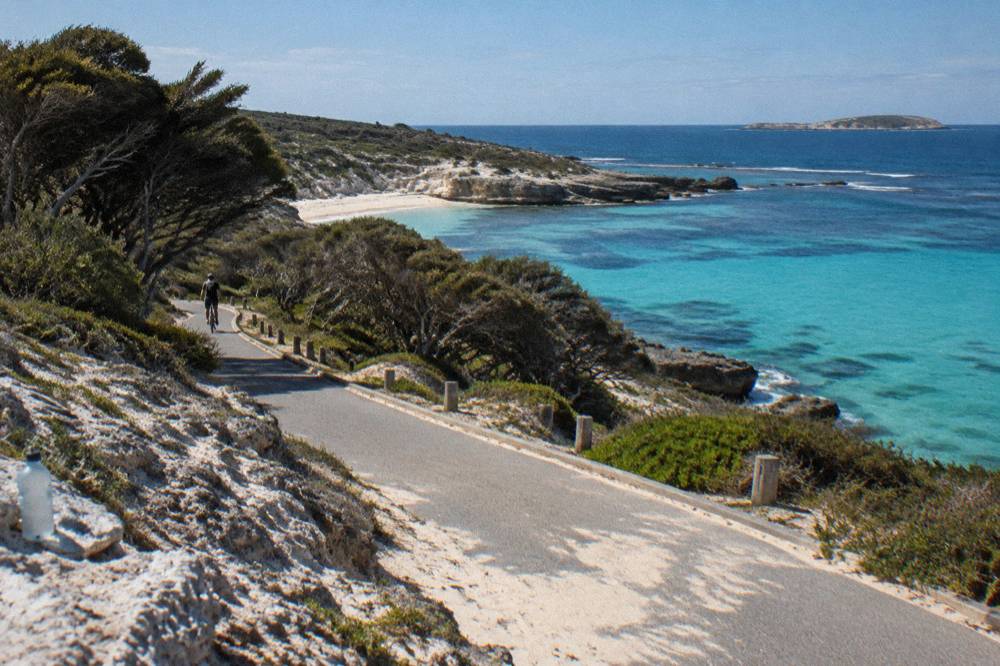
The middle of the day is for covering ground, and the honest choice is between the 22 km full island loop by bike (3 to 5 hours, hills, experienced riders), the 10 km Beaches, Lighthouses and Lakes route (1.5 to 3 hours), the 4 km Rotto Mini Loop (about 30 minutes), or a seated bus tour that visits Wadjemup Lighthouse and the West End without your legs having opinions. The official cycling page grades these honestly: the full loop has some challenging hills and suits experienced riders, the mini loop is easy and family-friendly, and the middle route is the sweet spot for a day that also wants a long swim. Whatever you ride, bikes are banned on the walking trails, so the Wadjemup Bidi sections are a separate, on-foot decision.
The bus alternative deserves more respect than it gets. The SeaLink ferry and bus tour, from A$149 per person with ferry and admission included, runs seven hours to a full day and covers the lighthouse, the West End and the main bays with a guide narrating; it carries a 4.6 rating from 1,515 reviews, one of the deeper review pools on the island. Rottnest Express runs its own 90-minute Discover Rottnest bus tour, and Quokka Coaches runs the Island Explorer hop-on hop-off loop with 19 stops for those who want to build their own route, along with a shuttle between Thomson Bay, Geordie Bay and Kingstown.
For a midday with no timetable at all, the settlement itself is enough. Frankie's on Rotto typically opens late morning into the evening, the bakery queue is a genuine Rottnest institution, and the Bathurst Lighthouse, a short walk north along the coast, makes a simple out-and-back when the weather turns. The Segway tours, one hour around the settlement from A$98 or the 1.5-hour fortress route from A$139, split the difference between walking and riding, and the private rickshaw tour, 5.0 from 15 reviews at A$145, moves three adults or a family of four at a pace set entirely by the quokka sightings.
| Style of day | Midday activity | Time needed | Verified cost |
|---|---|---|---|
| Rider, confident | Full 22 km island loop | 3 to 5 hours | Bike from A$35/day hire, or bundled in ferry-and-bike packages from A$124 |
| Rider, relaxed | 10 km Beaches, Lighthouses and Lakes | 1.5 to 3 hours | Same bike hire or package |
| Family | 4 km Rotto Mini Loop | About 30 minutes riding | Junior bikes from A$22/day |
| Seated | SeaLink ferry and bus tour | 7 hours to full day | From A$149 per person incl. ferry and admission |
| Hop-on hop-off | Island Explorer bus, 19 stops | Flexible day | Check the Quokka Coaches listing for the day pass |
| Short and guided | Oliver Hill train and tunnel tour | 2 hours | From A$40 per person, island-only |
Early Afternoon: Snorkelling At Parker Point And The Southern Bays
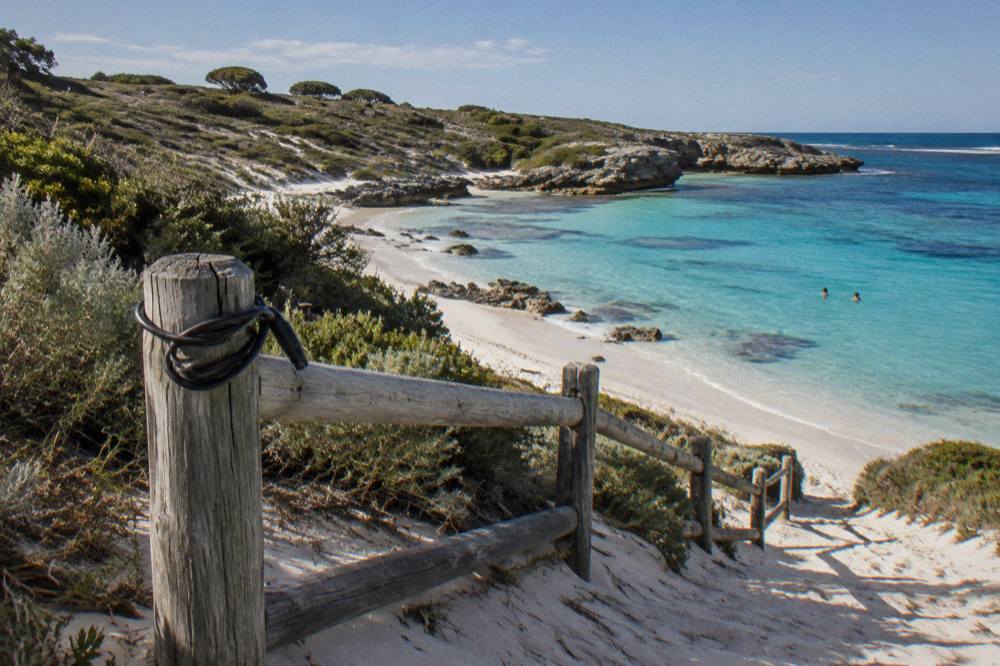
Head to the island's southeast corner for the Parker Point Snorkel Trail, about 800 m of seabed with 12 interpretive underwater plaques, an hour in the water, 17 minutes by bike from Thomson Bay and stop 5 on the Island Explorer bus loop. Parker Point sits inside one of the island's five marine sanctuary zones, this one protecting pink pocillopora coral, and the reserve overall holds about 400 fish species and 20 coral species. Fishing and collecting are prohibited in the sanctuary zones, so look, photograph and leave everything where it is.
The water is the constraint worth planning around. Sea temperatures sit near 19 degrees in October and reach 20 and above from November, so the warm-water season runs September to April with the most comfortable swimming from late spring onward. Many locals swim year-round thanks to the Leeuwin Current, and plenty wear wetsuits in winter. For a day trip in the warmer months, a mask, fins and a towel are the entire kit; the question of whether you can hire snorkels on the island has its own answer, and it is yes, through the island hire outlets and the boat tours.
The alternative is to let a boat do the work. The half-day snorkel and sail catamaran tour, 4.8 from 33 reviews at A$185 per person, departs the Thomson Bay fuel jetty for three hours with full gear, kayaks and stand-up paddleboards included, which turns the snorkel into a half-day on the water rather than a swim from a beach. The guided snorkel boat trip from Rottnest Snorkel, A$239 for three hours, carries a guide in the water with you and includes the admission fee. The seasonal Luxe Island Seafood Cruise, 4.9 from 56 reviews at A$395, adds a full seafood meal and does not run in winter.
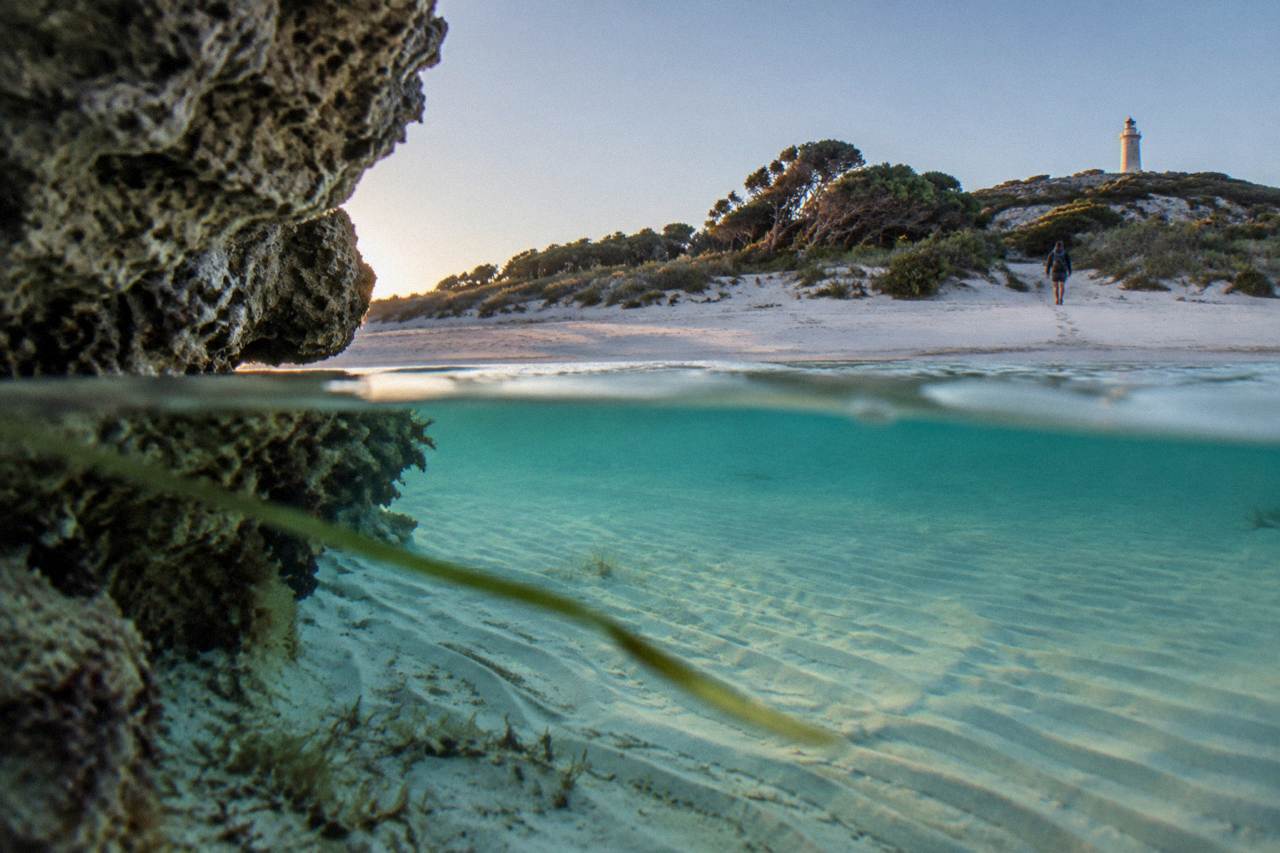
Snorkel spots ranked by shelter tell a simple story. The Basin, closest to the settlement, is shallow, sandy-bottomed and the easiest swim in the island; Parker Point is the richest; Little Salmon Bay, with its own 700 m marked trail of buoys and plaques, is the quiet middle option. In summer, The Basin is the island's only patrolled beach, with lifesavers on weekends and public holidays through the November to January period.
Late Afternoon: Quokkas, Light And The Slow Walk Back
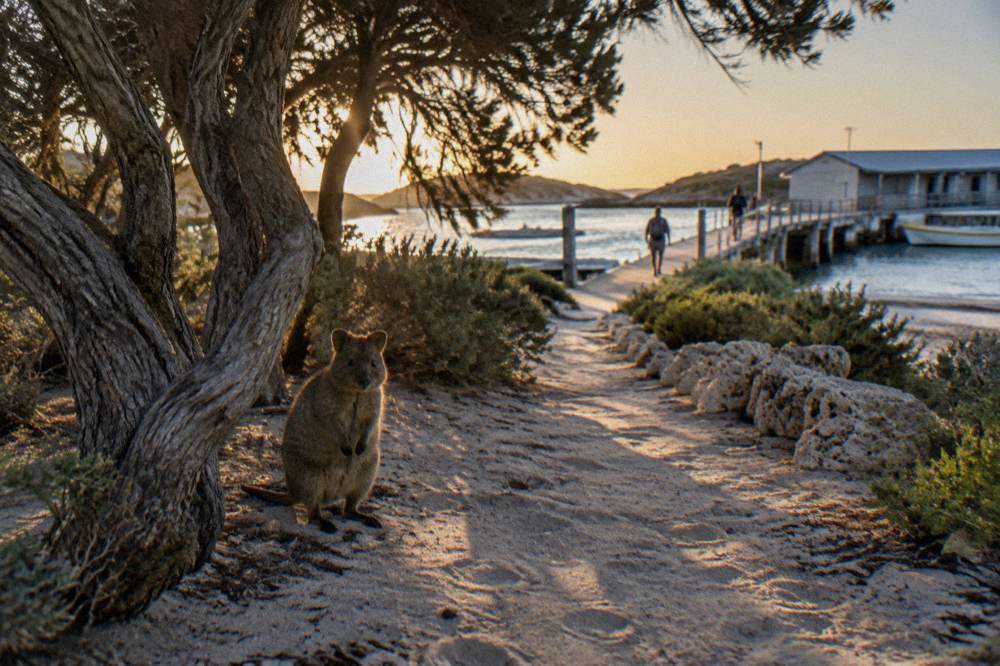
Quokkas are mainly nocturnal and most active early morning and late afternoon, so the last two hours before your return ferry are the best wildlife hours on the island: walk the settlement fringe, the lawns near the Salt Store and the quieter edges of Thomson Bay, camera zoomed, distance kept. Quokkas are found right across the island, family groups everywhere from the settlement to the far bays, but the settlement's water and shade concentrate them, and the soft light makes photography possible without getting close.
The rules are strict and worth the strictness. Quokkas are a protected native species on a Class A Reserve, listed as Vulnerable under national environment law, and the island supports the world's largest population, an estimated 10,000 to 12,000 at seasonal peak according to the federal environment department's quokka action plan page. Do not touch, do not feed, do not offer water, stay on the paths. Deliberate interference, including feeding, can draw an on-the-spot fine under the Rottnest Island Regulations 1988 and prosecution with fines up to A$10,000. The official guidance on the much-photographed quokka selfie is to use your zoom and, if a quokka approaches you, step back slowly.
Timing bonus: from about August, joeys start showing in their mothers' pouches, and around September they take their first hops, so a spring day trip coincides with the most photogenic season without any rule-bending. Never promise yourself a sighting, the animals are wild and move on their own schedule, but a slow late-afternoon walk through the settlement gives the odds their best chance.
If there is energy left, the Wadjemup Lighthouse, built 1896 at the island's highest point of 45 m, runs guided tours daily with tickets at the Visitor Centre, A$15 adult, A$7 child. The Bathurst Lighthouse, by contrast, is not open to visitors, so photograph it from the coast path on the walk back toward the jetty.
Sample Days By Style
Pick one shape and commit: the bike day for confident riders, the bus-and-walk day for comfort and commentary, the water day for snorkellers, and each of them fits the same ferry in and out with the quokka hour preserved at the end. The sequences below use only verified items: package durations, walk lengths, trail times and the activity durations printed on the tour listings. Nothing in them is a timetable, because island timetables shift with season and weather and the ferry pages say so plainly.
For a bike day, the sequence runs: earliest sailing in, arriving 30 minutes early (Fremantle 25 minutes crossing, Hillarys 45, Perth up to 90), then collect the bike and walk the settlement while checking the Salt Store board. The 9:15 am Meet the Quokkas walk, about 45 minutes, fills the late morning. Midday is the 10 km Beaches, Lighthouses and Lakes route, 1.5 to 3 hours with lunch at Geordie Bay, followed by the Parker Point snorkel trail for about an hour in the water. The last two hours belong to the settlement quokka walk and the return sailing.
| Bus day or water day | Sequence |
|---|---|
| Bus day, ferry in | Same earliest-sailing logic, no bike to collect |
| Bus day, first hour | Bakery and Salt Store, confirm the day's walks |
| Bus day, late morning | Reefs, Wrecks and Daring Sailors, 45 minutes, or Pioneers and Prisoners |
| Bus day, midday | SeaLink ferry and bus tour or Island Explorer loop, lighthouse and West End |
| Bus day, afternoon | The Basin swim, the island's easiest water |
| Bus day, last hours | Quokka hour, lighthouse photo, return sailing |
| Water day, ferry in | Earliest sailing, snorkel gear arranged the day before |
| Water day, late morning | Catamaran snorkel and sail, 3 hours, gear, kayaks and SUPs included, A$185 |
| Water day, midday | Late lunch in the settlement |
| Water day, afternoon | Little Salmon Bay trail, 700 m, or Parker Point plaques |
| Water day, last hours | Quokka walk, Bathurst Lighthouse from the path, return sailing |
What The Day Costs
A Rottnest day runs from about A$90 per adult for the cheapest same-day return ferry with admission included, through A$123 to A$127 for the ferry-and-bike packages, up to A$149 for the bus tour and A$185 to A$239 for the water tours, with the skydive at A$499 as the ceiling. The admission fee of A$21.50 per adult single day is inside the ferry fare already, so the only genuinely extra costs on the ground are food, any island-only tour you add, and bike hire if you bought a ferry-only ticket.
| Item | From price | Notes |
|---|---|---|
| Same-day return ferry and admission, Fremantle | From A$90 adult | Cheapest verified way onto the island |
| Ferry and bike package, Hillarys | From A$124 per person | Rottnest Fast Ferries, 4.7 from 2,941 reviews |
| Ferry and bike package, Fremantle | From A$127 per person | Rottnest Express and SeaLink equivalents |
| SeaLink ferry and bus tour | From A$149 per person | 7 hours to a full day, admission included |
| Catamaran snorkel and sail | A$185 per person | 3 hours, island-only departure |
| On-island bike hire | A$35 adult per day | Helmets and locks included |
| Free volunteer walks | A$0 | Times vary, confirm at the Salt Store booth |
Families should note the admission structure, since it is priced kindly: A$11 per child aged 4 to 16, A$57 for a two-adult, two-child family, and under-4s free, all collected inside the ferry booking. The cost question has a fuller breakdown in the day-trip cost breakdown, and the debate about whether the whole thing justifies the fare is aired honestly in the worth-it assessment.
Practical Rules, Weather And The Return Sailing
Book the ferry ahead in peak summer, check the weather before you lock your shape of day, keep 30 minutes of buffer at the mainland terminal, and treat the return sailing as fixed: the day's last decisions, the quokka hour and the jetty walk, should happen within a short stroll of the Main Jetty. Timetables vary by season and weather, the official pages say so in exactly those words, and the honest move is to check your operator's live listing the day before. Tickets can sometimes be bought on the day subject to availability, but summer weekends are not the time to gamble on it, and the advance-booking question has its own write-up in the ferry booking guide.
Weather shapes the day more than most visitors expect. Summer averages around 26 degrees and winter around 18, rain falls mostly in winter, and the September to April window is the island's warm-water season. A winter day trip is not a consolation prize, it is the hiking and wildlife season, and the 45 km of walking trails, including the 9.5 km Gabbi Karniny Bidi loop through the salt lakes, are the winter day's backbone. From August to December, humpbacks and southern right whales migrate through WA waters, roughly 35,000 of them, and sightings are sometimes possible from the ferry or the island's lookouts, never promised.
Two small rules finish the picture. The island is vehicle-restricted, so everything moves by foot, bike, bus or boat, and a train operates on the island with level crossings where cyclists and pedestrians are told to look both ways. And if you spot sick or injured wildlife, the correct number is the Rottnest Island Rangers on (+61 8) 9372 9788, not a hands-on rescue; the animal-protection framework on the official protect-our-wildlife page exists because well-meant interference is the island's most common visitor mistake.
For everything from ferry fares to quokka tours in more depth, the guides on Rottnest Island Tours break each piece of this day into its own page, including the ferry comparison and the full bike-route explainer.
Common Questions About Spending A Day At Rottnest
How To Spend A Day At Rottnest?
Ferry over early, spend an hour in the settlement with a free Salt Store walk, ride a 10 km loop or take a bus tour at midday, snorkel Parker Point in the early afternoon, walk the settlement fringe for quokkas in the last two hours, then take a late afternoon return sailing.
Can you do Rottnest Island justice in one day?
Yes for the highlights: one day covers a bike loop or bus tour, a snorkel and the settlement quokka hour. No for the walking trails and the far bays at a slow pace, which is why the island also rewards an overnight stay.
What is the cheapest way to spend a day on Rottnest?
A same-day return ferry from Fremantle with admission included starts at A$90 adult, the free volunteer walks cost nothing, and swimming at The Basin is free, so a lean day is ferry, walk, swim and settlement wandering.
When is the best time of day to see quokkas?
Quokkas are mainly nocturnal and most active early morning and late afternoon, which suits a day trip perfectly: the hour before your return ferry is prime viewing time, always from a safe distance, never touching or feeding.
Do I need to book the ferry in advance?
Booking ahead is recommended in peak summer, when sailings sell out, though tickets can sometimes be bought on the day subject to availability. Timetables vary by season and weather, so check the operator's live listing before you travel.
Is the island admission fee extra?
No, for ferry passengers it is collected inside the fare at booking: A$21.50 for a single-day adult, A$11 for a child aged 4 to 16, A$57 for a family, and free for under-4s.