Rottnest Island Snorkelling: Tours, Trails And Sanctuary Zones
“Rottnest Island sits inside a marine reserve with about 400 fish species and 20 coral species, and most of the best snorkelling is within a short ride or walk of the main settlement. Here is what the official pages say about the trails and zones, and what the bookable snorkel tours actually include.”
Short answer
“The two shore options are the Parker Point Snorkel Trail, about 800 m with 12 interpretive plaques, and the Little Salmon Bay loop, about 700 m. Guided trips include the catamaran snorkel and sail from A$185 per person for 3 hours and a guided snorkel boat experience from A$239 per person. Water reaches comfortable swimming temperatures from around November.”
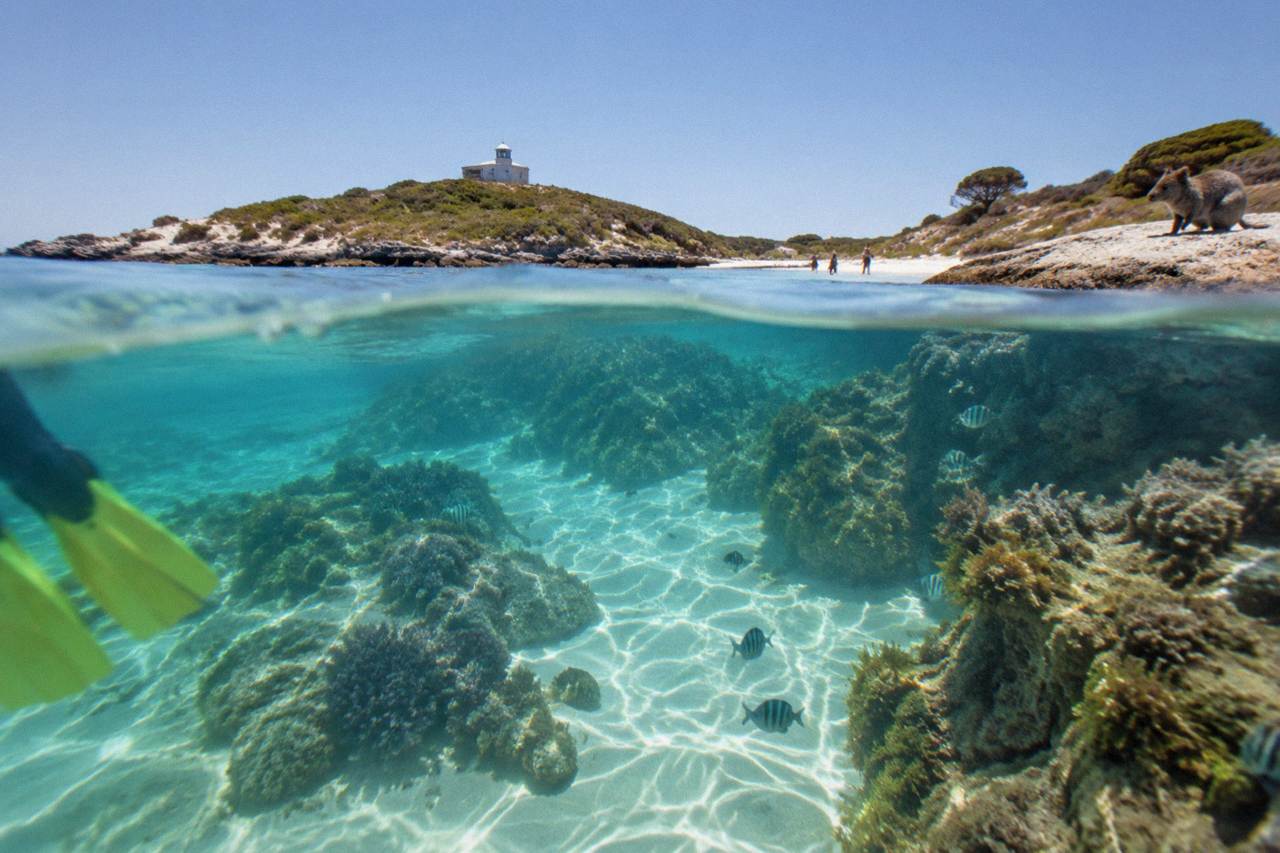
Rottnest Island's waters hold about 400 fish species and 20 coral species inside a dedicated marine reserve, an unusual concentration for a place 19 km from Fremantle. The island has 63 beaches and 20 bays, and several of the calmest are snorkelling spots reachable by bike, bus or a short walk. This guide sets out what the official pages say about the two marked snorkel trails and the five marine sanctuary zones, then walks through the bookable options on this site: the catamaran snorkel and sail run by Charter 1, the guided snorkel boat trip run by Rottnest Snorkel, and the Rottnest Express wildlife adventure cruise that pairs a ferry crossing with a fast boat tour of the coast.
Snorkelling here is not a niche add-on to a Rottnest day; for many visitors it is the reason the day exists. The water clarity is unusually good for a metropolitan-adjacent island, the Leeuwin Current carries tropical species far south of their usual range, and the reserve status means the fish are abundant and unbothered by spearfishing or collecting in the protected zones. Whether you arrive on the Rottnest Fast Ferries bike day from Hillarys, the SeaLink ferry from Perth, or an island-only product after an overnight stay, the question is rarely whether to get in the water, it is where and with how much guidance.
Where Can You Snorkel On Rottnest Island?
The two marked snorkel trails are Parker Point on the southeast corner, an 800 m trail with 12 interpretive underwater plaques that takes about an hour, and Little Salmon Bay, a loop of roughly 700 m marked with 10 buoys and plaques. Beyond those, The Basin near the settlement is a shallow, sheltered reef pool that many day visitors swim and snorkel without any gear plan at all.
The Parker Point Snorkel Trail sits inside the Parker Point marine sanctuary zone, where fishing and collecting are prohibited. The official page gives the trail as about 800 m long with 12 plaques set into the seabed explaining the marine life around you, and suggests allowing about one hour in the water. It is 17 minutes by bike from Thomson Bay, and the Quokka Coaches Island Explorer hop-on hop-off bus stops nearby at stop 5, which makes it the most accessible of the two trails for visitors without a bike. Getting there under your own steam is easy on a package such as the Rottnest Fast Ferries bike day from Hillarys, which combines the ferry crossing, bike hire and the island admission fee from A$124 per person.
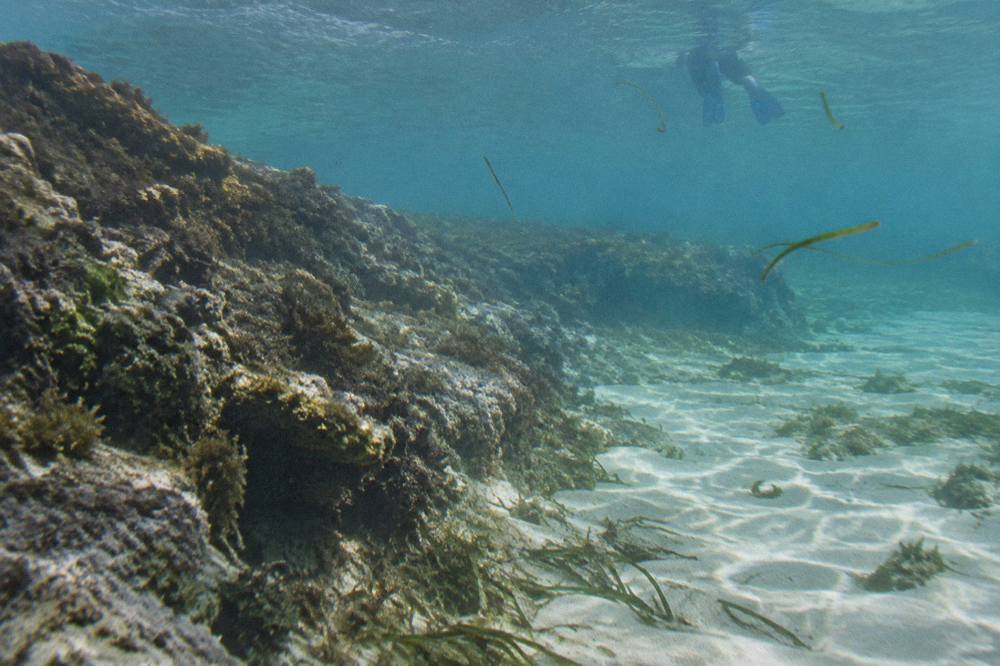
Little Salmon Bay, further west along the south coast, is a loop of about 700 m with 10 buoys and plaques marking marine life. It is quieter than Parker Point and usually reached by bike along the island's 22 km of cycle paths. If you are planning the ride as well as the swim, the best bike route around Rottnest Island matters here: the full 22 km loop takes 3 to 5 hours and includes some challenging hills, so a trail-plus-return ride is a half-day plan on its own.
Both trails are marked, but neither is lifeguard patrolled. The official beach guidance notes that The Basin is patrolled by Surf Life Saving WA on weekends and public holidays from November to January, and it is the only patrolled beach in summer. Everywhere else you swim at your own judgement, so check conditions on the day and snorkel with a buddy. The south coast bays are more exposed than the north-facing ones, and conditions can change with wind even on a clear day, so the standard practice is to swim early before the afternoon sea breeze fills in.
A practical note on the snorkel trail plaques: they are set on the seabed at snorkel depth, so you follow the trail by swimming from plaque to plaque rather than by any surface line. The full circuit is gentle in calm conditions, but the official hour allowance exists because most snorkellers stop repeatedly to look at fish and coral rather than swimming the distance straight through. Take it slowly; that is the point of the trail.
Which Guided Snorkel Tours Can You Book?
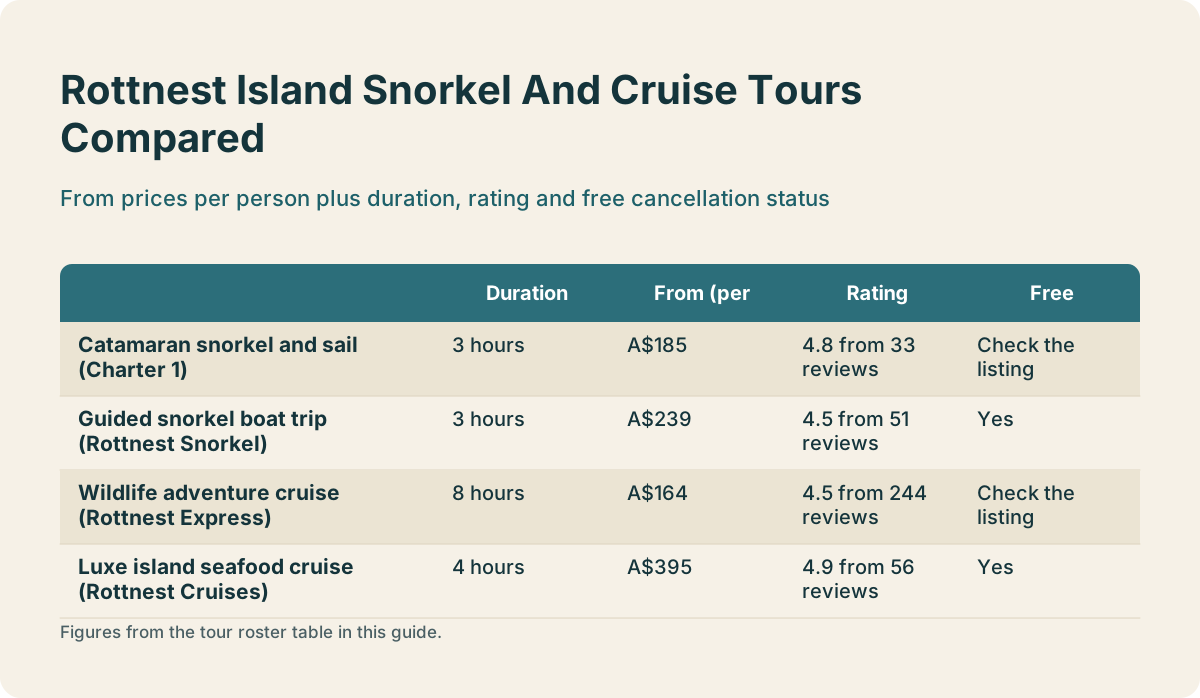
Three products on this roster put a mask in the water. The catamaran snorkel and sail from Charter 1 runs 3 hours from A$185 per person, the guided snorkel boat trip from Rottnest Snorkel runs 3 hours from A$239 per person, and the Rottnest Express wildlife adventure cruise combines ferry and coastal boat tour from A$164 per person for a full 8-hour day.
The catamaran snorkel and sail is rated 4.8 from 33 reviews and departs from the Fuel Jetty in Thomson Bay, so it suits visitors already on the island, including ferry and bike package customers. It carries full snorkel gear, and its 3-hour window leaves most of the day free. The listing does not state a free cancellation policy, so check the listing before relying on it. The operator's published season runs across the warmer months, with the listing noting weather dependence and some month exclusions, so confirm the current season's dates on the live listing before building a whole day around it.
The guided snorkel boat trip, run by Rottnest Snorkel, is rated 4.5 from 51 reviews and also runs 3 hours from the Fuel Jetty on Colebatch Ave. It is the more instructional of the two: a guided in-water experience with gear and light refreshments, at from A$239 per person, with free cancellation. The operator reopens for the 2026-27 season on 12 October 2026 with daily departures on a 17 m flybridge cruiser, limiting groups to roughly 10 snorkellers per in-water guide and visiting sheltered bays, reefs and shipwrecks. Gear hire options are available through the same operator, which simplifies packing for families.
The wildlife adventure cruise from Rottnest Express, rated 4.5 from 244 reviews, is a different animal: a fast rigid-inflatable ride along the coast with the ferry from Perth or Fremantle included, from A$164 per person. It is a viewing trip rather than a snorkel lesson, so treat it as the choice when you want the coastline, sea lions and possible whale sightings in season, rather than time on a reef. The 8-hour shape covers the crossing both ways plus the cruise itself. For more on that side of the island, the boat cruises and eco tours guide compares the full range.
| Tour | Operator | Duration | From (per person) | Rating | Departs | Free cancellation |
|---|---|---|---|---|---|---|
| Catamaran snorkel and sail | Charter 1 | 3 hours | A$185 | 4.8 from 33 reviews | Thomson Bay Fuel Jetty | Check the listing |
| Guided snorkel boat trip | Rottnest Snorkel | 3 hours | A$239 | 4.5 from 51 reviews | Rottnest Snorkel Fuel Jetty, Colebatch Ave | Yes |
| Wildlife adventure cruise with ferry | Rottnest Express | 8 hours | A$164 | 4.5 from 244 reviews | Perth or Fremantle, chosen at booking | Check the listing |
| Luxe island seafood cruise | Rottnest Cruises | 4 hours | A$395 | 4.9 from 56 reviews | Thomson Bay Fuel Jetty | Yes |
The luxe seafood cruise appears in the table because it covers some of the same bays, but it is a dining cruise rather than a snorkel product, and the listing states it does not run in winter. If snorkelling is the point of your day, the first two rows are the ones to compare. Note also that both snorkel-focussed products are island-only departures: neither includes the ferry crossing or the island admission fee, so visitors coming over for the day need to add a crossing, which is covered in the ferry fares and tickets guide.
What Are The Five Marine Sanctuary Zones?
The reserve has five marine sanctuary zones where fishing or collecting is prohibited or restricted: Kingston (Thomson Bay, protecting four shipwrecks), Parker Point (pink pocillopora coral), Green Island (male Australian sea lion habitat), Armstrong Bay (seagrass), and West End Demersal (bottom-dwelling species including western rock lobster).
These zones are the reason Rottnest's snorkelling is what it is. The Parker Point zone protects the pink coral that gives the snorkel trail its colour, and the Kingston zone protects the shipwrecks in Thomson Bay itself, close to where the ferries dock. A 5 knot speed limit applies in most bays, which keeps the water calm for swimmers and snorkellers and keeps boat traffic slow and predictable.
| Sanctuary zone | What it protects | Relevance to snorkellers |
|---|---|---|
| Kingston (Thomson Bay) | Four shipwrecks | Wrecks in the main bay, near arrival jetty |
| Parker Point | Pink pocillopora coral | The 800 m snorkel trail and its 12 plaques |
| Green Island | Male Australian sea lion habitat | Sea lions haul out nearby; observe from distance |
| Armstrong Bay | Seagrass meadows | Habitat nursery, snorkelled from the beach |
| West End Demersal | Rock lobster, dhufish | Deeper water, best seen from a boat |
Fishing rules differ by zone, and the Rottnest Island Marine and Boating Guide is the authoritative reference if you plan to fish as well as swim. For snorkellers the practical takeaway is simpler: take nothing, and give sea lions at Cathedral Rocks and Green Island plenty of space. The marine reserve surrounds the whole island, so the sanctuary zones are the strict inner layer, and the wildlife rules that apply island-wide, including the protections for quokkas on land, extend to the water.
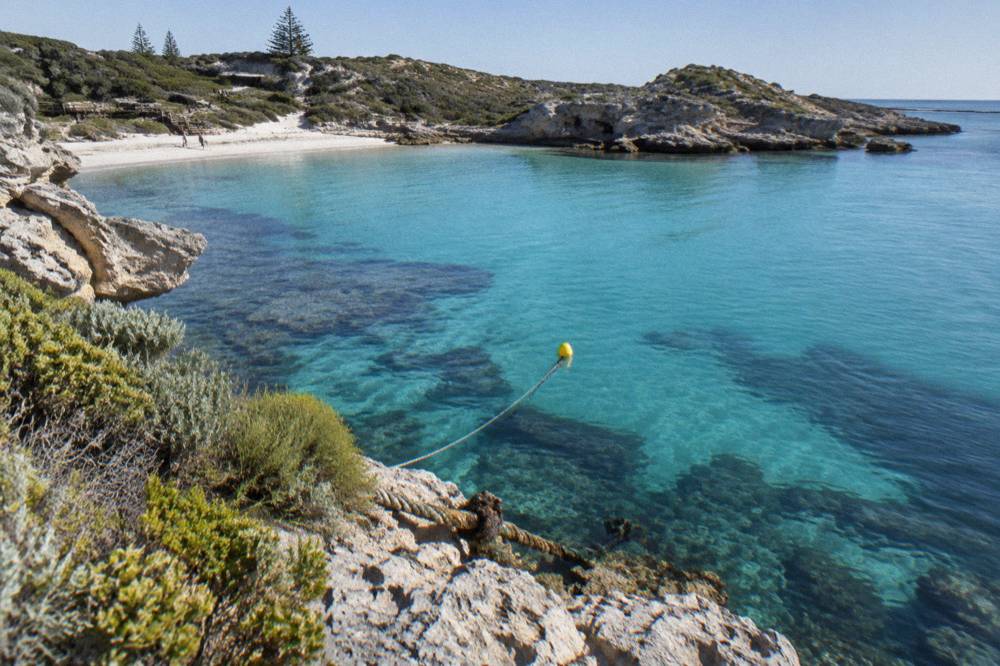
The zones also explain why the guided boat trips choose their stops the way they do. Rottnest Snorkel's listing mentions sheltered bays, reefs and shipwrecks, which maps directly onto the sanctuary geography: the wrecks at Kingston, the reef at Parker Point, and the seagrass and coral gardens of the southern bays. A skipper working the reserve every day also reads conditions that a first-time visitor cannot, which is a quiet argument for the guided products on any day with variable wind.
Is The Water Warm Enough To Snorkel?
Summer sea temperatures average around the mid-20s Celsius and the official seasons page describes warm water activities as running from September to April, with swimming possible year round. In winter many swimmers wear wetsuits, and the Leeuwin Current is what keeps Rottnest's water warmer than its latitude suggests.
Air temperatures tell part of the story: the official weather page gives a summer average of about 26 C and a winter average of about 18 C, with most rain in winter. Early October 2026 readings put the sea at about 18.8 C, which is brisk without a wetsuit for most people. The Bureau of Meteorology's long-term records for the island station show mean daily maxima ranging from about 26.7 C in January to 17.9 C in July, consistent with that pattern.
What this means for planning: if you are visiting between November and April, a mask and snorkel without a wetsuit is comfortable for most people. A June or July visit is better matched to hiking and wildlife, as the official guidance suggests, though the water never gets genuinely cold by southern Australian standards. The catamaran snorkel and sail runs its season across the warmer months, and its listing carries gear hire options, so check the live listing for the current season's dates.
Wetsuit availability follows the same logic as bike hire: highest demand in the peak window, and the guided tours include gear in the ticket price, which removes the question for their customers altogether. If you are snorkelling independently in the shoulder months of October or April, a shorty wetsuit or even a rash vest extends comfortable time in the water noticeably, particularly for children.
Do You Need To Bring Or Hire Snorkel Gear?
Both guided boat trips include gear, so on those tours you bring only a towel and swimwear. For the shore trails, snorkels, masks and fins can be hired on the island, and the practical details are covered in the site's guide to snorkel hire, including what the ferry packages include and what they leave you to arrange.
If your base plan is a ferry and bike package, note that the bike days on this roster, such as the Rottnest Express bike day from Fremantle at from A$127 per person, include ferry, bike and the island admission fee but no meal and no snorkel gear. Gear is a separate line on every ferry package here, so budget for it separately or bring your own. Bringing your own mask is the one item worth considering even when hiring the rest, since a well-fitted mask is the difference between a good hour on the trail and a frustrating one.
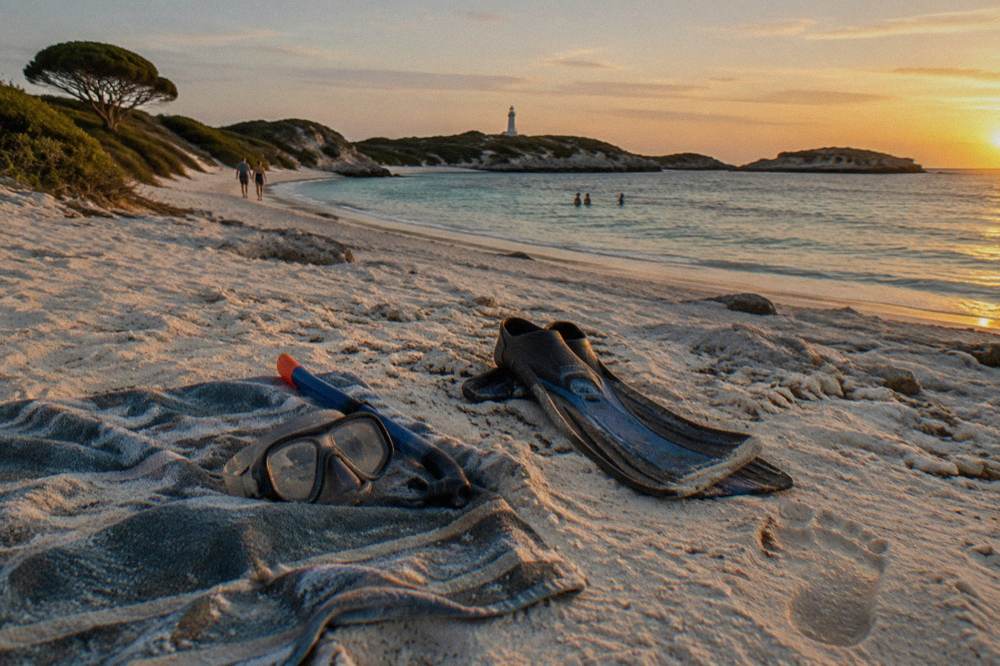
For a fuller answer on hire, read can you hire snorkels at Rottnest, which sets out the on-island hire options and prices. The short version for this guide's purposes: hire exists, it is busiest in peak season, and the guided tours spare you the question entirely. Helmets are required by law for every cyclist on the island, and that rule applies to the ride to Parker Point as much as anywhere, so factor a helmet into the hire even though it has nothing to do with the water.
Which Snorkel Tour Suits A Beginner?
The guided snorkel boat trip is the one to shortlist for a nervous or first-time snorkeller, because it is built around small in-water groups, roughly 10 snorkellers per guide, with gear and refreshments included. The catamaran trip suits confident swimmers who want a relaxed sail with a snorkel stop; the wildlife cruise suits anyone who would rather stay dry.
Each listing spells out what's included, from the ferry fare to bike hire, so check before booking. Neither listing states a minimum swimming ability, and the listing for the catamaran trip does not state an age minimum, so families should check the live listing for both before booking. What the listings do state is duration, inclusions and price, which is what the comparison table above shows. The small-group ratio on the Rottnest Snorkel product is the closest thing to a stated beginner suitability on the roster.
For beginners who prefer to stay close to shore, the Parker Point trail is a genuinely gentle introduction: shallow, sheltered, and marked so you always know where you are. Pair it with the hop-on hop-off bus if cycling with kids feels like too much logistics on top of swimming. The trail's depth stays within snorkel range along its whole length, and the plaques give a nervous swimmer fixed, visible targets to aim for rather than open water.
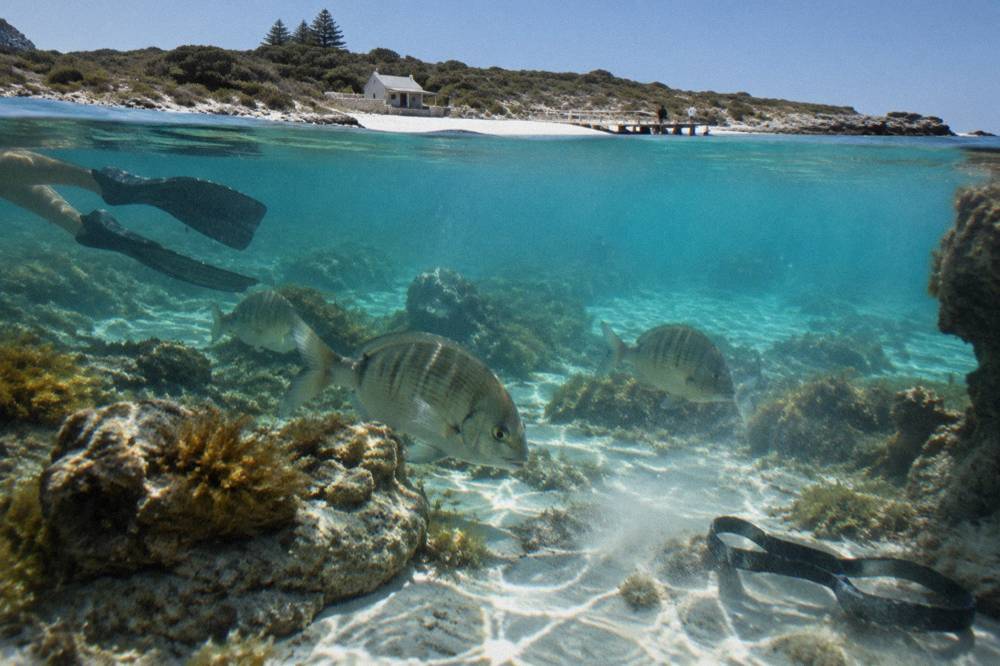
Can You Combine Snorkelling With A Ferry Package?
Yes. The ferry and bike packages get you and a bike to Thomson Bay with the island admission fee already collected inside the fare, and from there a bike ride of about 17 minutes reaches the Parker Point trail. The guided boat tours depart from jetties in Thomson Bay, so they stack cleanly onto any ferry arrival.
This stacking is where the value is on a day trip. A visitor on the SeaLink ferry and bus tour from Perth or Fremantle, from A$149 per person, sees the island by coach and could finish with an independent swim at Parker Point near the bus's stop 5. A visitor on the Rottnest Fast Ferries grand island day tour with lunch, from A$199 per person, gets the guided circuit and a meal, then has the afternoon free for the same swim. Neither of those products includes snorkel gear.
| Base day | From (per person) | Snorkel add-on that fits | Combined shape of the day |
|---|---|---|---|
| Ferry and bike day (Rottnest Fast Ferries, Hillarys) | A$124 | Hire gear, ride to Parker Point | Self-guided trail, about an hour in the water |
| SeaLink ferry and bus tour | A$149 | Swim at stop 5 near Parker Point | Guided circuit, then independent snorkel |
| Ferry and bike day (Rottnest Express, Fremantle) | A$127 | Catamaran snorkel and sail from A$185 | Ride in the morning, sail and snorkel midday |
| Fremantle ferry and admission (SeaLink) | A$90 | Guided snorkel boat trip from A$239 | Cheapest crossing, then a fully guided water day |
The combined figures in that table are sums of listed "from" prices, so treat them as planning floors rather than quotes. Dynamic pricing applies on the ferry fares, and the guided tours price per person at the rates shown. Timing matters as much as price: the crossing from Fremantle takes about 25 minutes, Hillarys about 45, and up to 90 minutes from Barrack Street Jetty in Perth, so a Perth departure eats into the morning before you even reach the departure jetty for a boat tour.
When Is The Best Season For A Snorkel Trip?
November to April is the window the official seasons guidance supports for warm water activities, and the catamaran and guided boat tours concentrate their seasons inside it. Whale sightings, on the official wording, run August to December, sometimes from June and July, which makes spring a season where you can snorkel in the morning and watch humpbacks from a lookout in the afternoon.
The whale detail is worth planning around rather than dismissing. About 35,000 whales migrate through Western Australian waters, and the official page notes sightings are possible from the ferry itself and from island lookouts, never guaranteed. The wildlife adventure cruise and the ordinary ferry crossings both give you a chance at no extra planning cost.
Summer, December to February, is the busiest period, and the official cycling page warns that bikes can be fully booked in peak season, a caution that applies equally to snorkel hire and small-group boat tours. Book ahead for school holidays, and check the live listing for the tours above, since the catamaran and seafood cruise listings carry seasonal notes. Spring offers a quieter middle path: the water is warming, the whale season overlaps, and the guided snorkel boat season opens in mid-October.
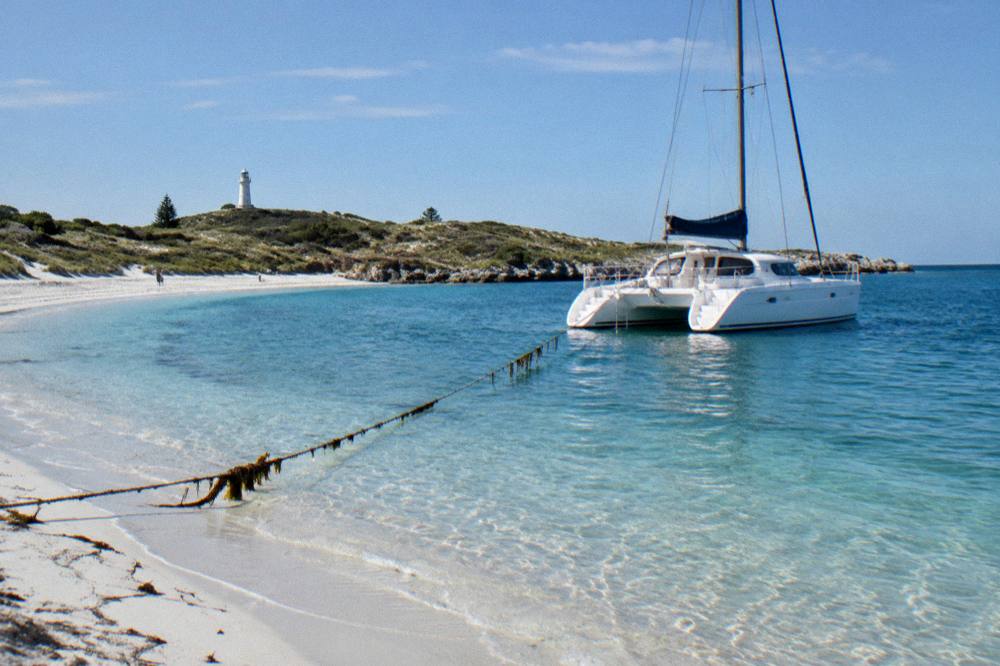
For everything the water season affects, from swimming comfort to crowds, the weather and best time to visit guide breaks the year down month by month, and the official Parker Point Snorkel Trail page remains the primary source for trail conditions. In peak season it pays to lock in the boat-based snorkel products first in peak season, since their group sizes are fixed and the shore trails cannot sell out.
Common Questions About Rottnest Island Snorkelling
Where is the best snorkelling on Rottnest Island?
The Parker Point Snorkel Trail, about 800 m with 12 underwater plaques, and the Little Salmon Bay loop, about 700 m, are the two marked trails. The Basin near the settlement is the most accessible shallow swim spot and is patrolled on weekends and public holidays from November to January.
Can you snorkel at Rottnest without a tour?
Yes. Both marked trails are free to swim, reached by bike, bus or foot, and snorkel gear can be hired on the island. The marine sanctuary zone rules still apply: no fishing or collecting inside the five zones.
How much does a Rottnest snorkel tour cost?
The catamaran snorkel and sail starts at A$185 per person for 3 hours, the guided snorkel boat trip starts at A$239 per person for 3 hours, and the wildlife adventure cruise with ferry starts at A$164 per person for a full day.
Is the water cold at Rottnest Island?
In summer the sea sits in the mid-20s Celsius and warm water activities run September to April on the official seasons page. In winter, swimming is still possible but many swimmers wear wetsuits. An early October 2026 reading was about 18.8 C.
Can you see coral snorkelling at Rottnest?
Yes. The reserve holds about 20 coral species and around 400 fish species, and the Parker Point sanctuary zone specifically protects pink pocillopora coral along the snorkel trail.