Rottnest Island Weather And The Best Time To Visit
Rottnest Island sits in a mild coastal climate zone, and the season you pick changes almost everything about the day you will have: water temperature, crowds, prices, whale sightings and even which tours are running at all.
Short answer
Rottnest Island averages about 26 C in summer and about 18 C in winter, with most rain falling between June and August. December to February is busiest and best for beaches; September to April suits warm-water activities; winter is the quiet season for hiking and wildlife, and whales pass from August to December.
Rottnest Island, or Wadjemup, sits 19 km off Fremantle in the path of the Leeuwin Current, and that single geographic fact shapes its weather more than anything else. The current pushes warm tropical water down the Western Australian coast, which is why an island this far south supports corals and tropical fish, and why swimming is possible year-round even when the air temperature dips. The official island weather page describes the climate as mild: summer averages about 26 C, winter about 18 C, and rain falls mostly in the winter months.
That mildness is the reason the answer to "when should I go" is genuinely a matter of what you want from the day rather than a single best month. A beach-and-snorkel trip and a hiking-and-lighthouse trip want different seasons, and the tour calendar shifts with them: the Luxe Island Seafood Cruise is seasonal and not run in winter, whale watching centres on the August to December migration, and the ferry-and-bike packages from Hillarys and Fremantle run through every month of the year. This guide works through the seasons, the numbers from the Bureau of Meteorology, and what each stretch of the calendar means for the trips you can actually book, including the Rottnest Island Tours roster on this site.
What Is Rottnest Island Weather Like?
Rottnest has a mild Mediterranean-style coastal climate: summer days average about 26 C, winter days about 18 C, and most of the annual rain, averaging about 557.9 mm, falls between June and August. The island rarely bakes or freezes, and the sea stays swimmable all year, with many swimmers wearing wetsuits in winter as the Leeuwin Current cools.
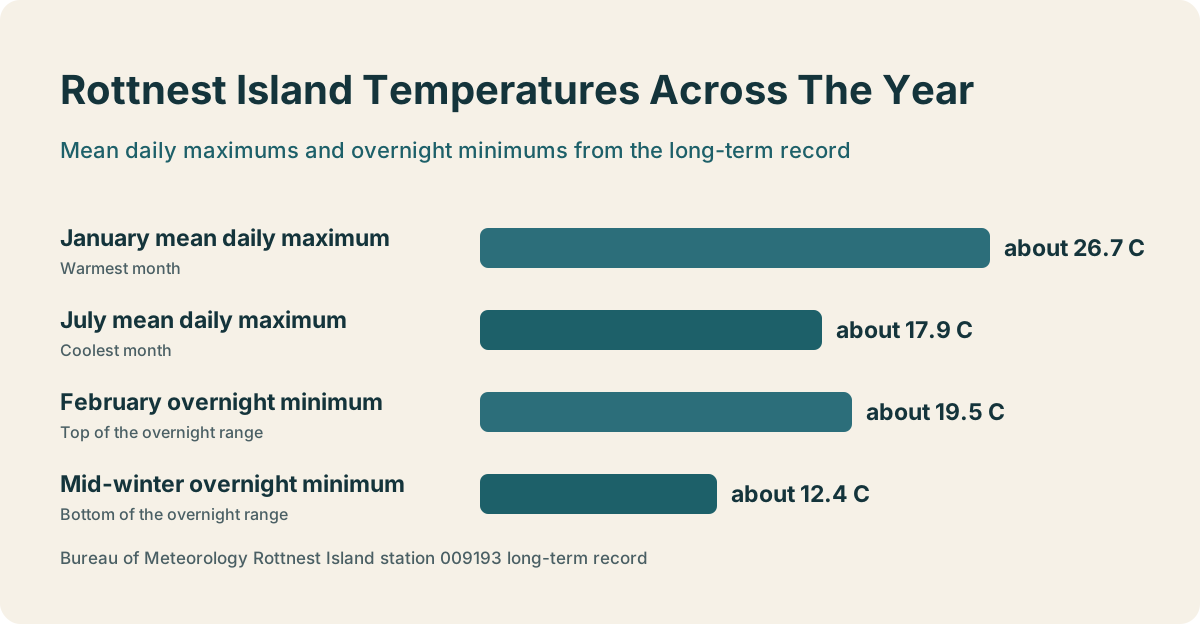
The long-term record from the Bureau of Meteorology's Rottnest Island station, station 009193, puts mean daily maximums in a fairly narrow band. January, the warmest month, averages about 26.7 C, while July, the coolest, averages about 17.9 C. Overnight minimums range from about 19.5 C in February down to about 12.4 C in the middle of winter. Annual mean rainfall is about 557.9 mm, weighted heavily toward the winter months. You can read the full station 009193 climate averages on the Bureau's site.
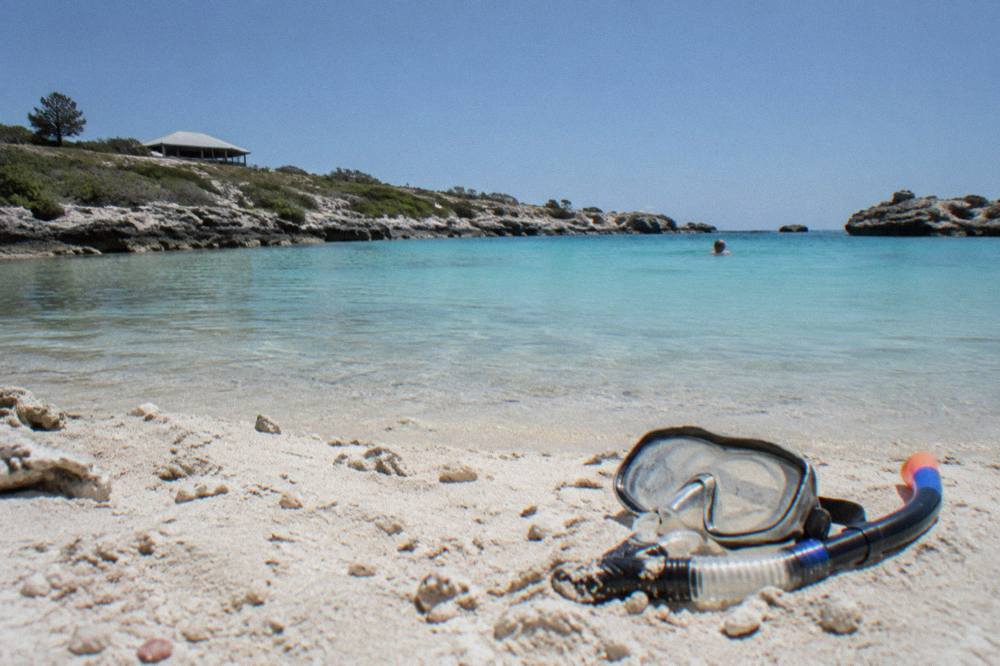
Two practical points follow from those numbers. First, there is no month when the island is unpleasant on paper; the difference between seasons is about water temperature, wind and crowd levels rather than comfort. Second, the statistics are averages, and a summer day can still hit the mid-thirties while a winter day can reach the low twenties, so packing layers matters more in the shoulder months than the means suggest. Sea temperature tells its own story: in early October the water sits around 18.8 C, with the October average near 19.1 C, and it typically reaches 20 C or warmer from November through July, which is why the official guidance frames the warm-water activity season as September to April.
When Is The Best Time To Visit Rottnest Island?
For beaches and swimming, December to February delivers the warmest water and the biggest crowds; for whales, August to December; for comfortable hiking and wildlife without summer lines, June to August. September to April is the official warm-water window, so most visitors choose October to April as the sweet spot between warmth, price and space.
The busiest period is summer, December to February, when school holidays and peak ferry demand collide; the official guidance recommends booking ahead in peak summer, and the ferry and bike packages that bundle everything sell out first. A family locking in the Rottnest Fast Ferries full-day bike and ferry trip from Hillarys, from A$124 per person with a 4.7 rating from 2,941 reviews, should book early for those weeks, though free cancellation gives some flexibility if plans shift. Spring and autumn are the compromise seasons: warm enough for the water most days, cool enough for the 22 km island bike loop, and noticeably quieter.
Winter, June to August, is the island's quiet stretch and the season the official page recommends for hiking and wildlife. Rain is likelier, but the 45 km of walking trails and the Wadjemup Bidi network are at their best in cool conditions, and quokkas, which are mainly nocturnal and most active early and late in the day, are easier to find when midday heat is off the table. The trade-off is on the water: the Luxe Island Seafood Cruise listing states plainly that it is not run in winter, and sea temperature sits in the high teens, so wetsuits are the norm for swimmers. Anyone weighing summer crowds against winter quiet can compare the two in detail in the guide to Rottnest day trips from Perth, which breaks down how the trip changes across the year.
The seasonal choice is easier to see side by side. The table below maps the four seasons against what each is genuinely good for, using the official island guidance on climate and activities.
| Season | Months | Conditions | Best for |
|---|---|---|---|
| Summer | Dec to Feb | About 26 C average days, warmest water, busiest | Beaches, swimming, snorkelling, booking well ahead |
| Autumn | Mar to May | Cooling air, water still warm early in the season | Full island bike loop, hiking plus swimming combo |
| Winter | Jun to Aug | About 18 C average days, most rain, quiet | Hiking, wildlife, volunteer-guided walks, wetsuit swims |
| Spring | Sep to Nov | Warming fast, joeys active, whales passing | Whale watching, photography, shoulder-season value |
How Hot Does Rottnest Get In Summer?
Summer days average about 26 C, with February nights staying near 19.5 C, and the sea at its warmest from late December through April. Heat is real but moderated by the ocean; the bigger summer constraints are crowds, peak pricing and the need to book ferries and bike hire in advance rather than the temperature itself.
Summer is when the island's 63 beaches and 20 bays earn their keep. The Basin, Parker Point and Little Salmon Bay fill up, the five marine sanctuary zones are at their liveliest, and the water-based products run at full tilt. The Rottnest Express wildlife adventure cruise with ferry, from A$164 per person and rated 4.5 from 244 reviews, is a summer-format day: a fast boat ride around the coast with seal and, in season, whale watching built in. On the island itself, the half-day catamaran snorkel and sail from Thomson Bay, from A$185 with a 4.8 rating from 33 reviews, pairs sailing with snorkel stops, kayaks and stand-up paddleboards.
Bookings matter in this window. Bikes can be fully booked in peak season, so a package that locks in bike hire with the ferry, like the hillarys-ferry-and-bike-day product, removes the most common day-of failure. The Fremantle alternatives, the Rottnest Express ferry and bike day from A$127 and the SeaLink bike package, also from A$127, sell out often in school holidays; both listings carry an "often sells out" warning. Summer visitors should also plan around the sun itself: shade is scarce on the western half of the island, the full 22 km loop takes 3 to 5 hours with some challenging hills, and water refill points are concentrated in the settlement (see Hours You Need).
Is Winter A Good Time To Visit Rottnest?
Winter suits hikers and wildlife watchers: days average about 18 C, crowds thin out dramatically, and the walking trails, quokka watching and volunteer-guided walks are at their best. The trade-offs are cooler water, a higher chance of rain, and a reduced tour calendar, with some boat products pausing entirely for the season.
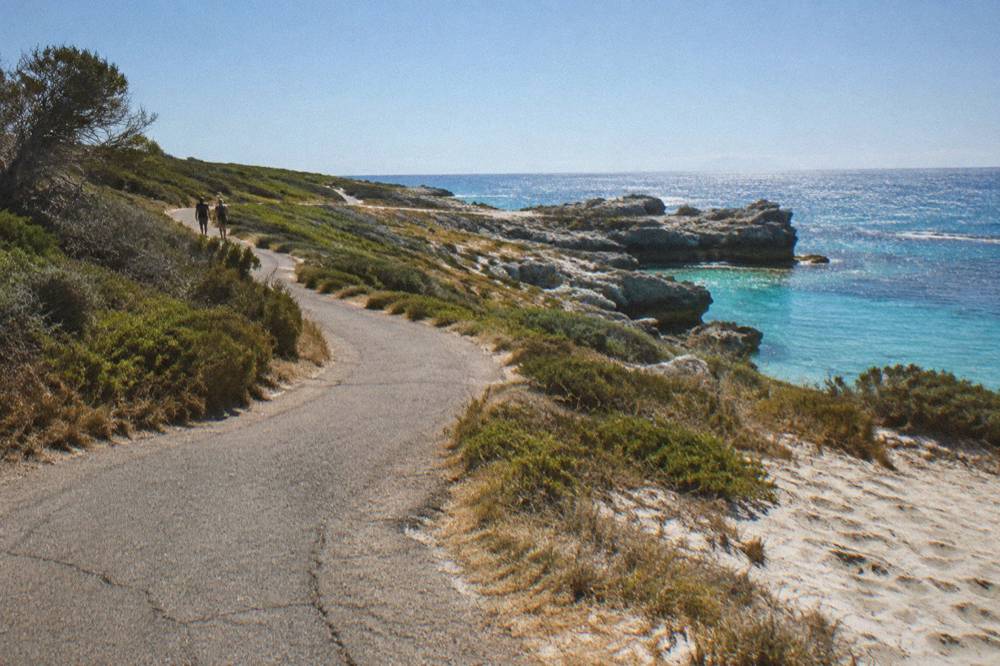
The official framing is that winter, June to August, suits hiking and wildlife, and that is accurate rather than promotional. The Gabbi Karniny Bidi loop through the salt lakes runs 9.5 km and takes three to four hours, and it is a far better walk at 18 C than at 27. Rain mostly falls in these months, but it typically arrives as showers rather than all-day events, and ferries run all year with timetables that vary by season and weather. The Rottnest Volunteer Guides run free walking tours daily from the Salt Store, with themes from quokkas to shipwrecks, and times that shift with weather and volunteer availability.
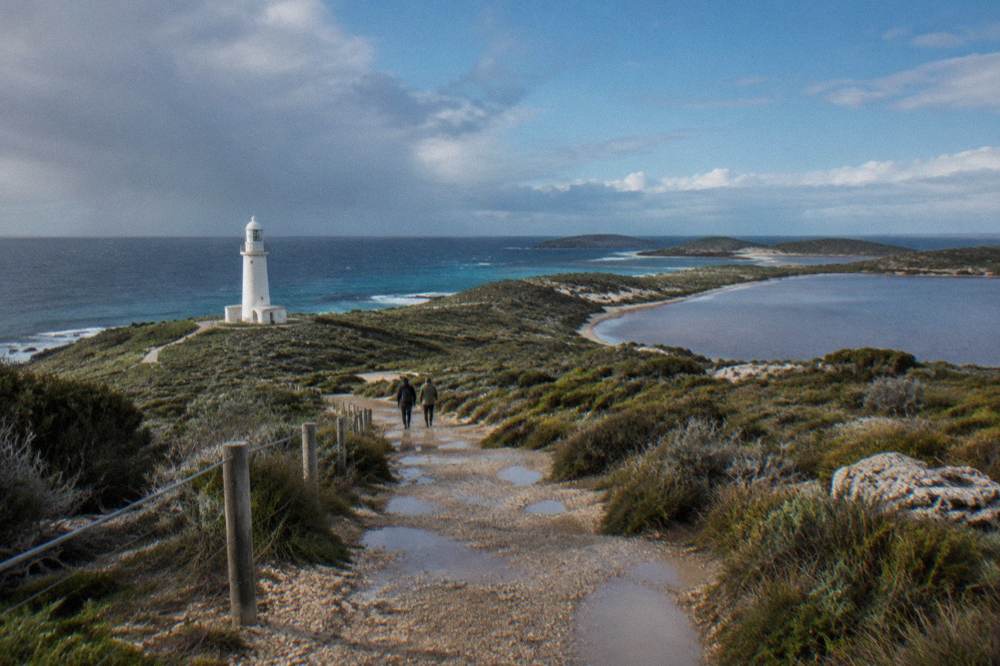
Winter is also the start of the whale season, and it is the cheapest and quietest time to be on the island. The ferry-and-bike packages run through winter at the same listed from-prices, and the island admission component inside the fare, A$21.50 for a single-day adult, is fixed year-round. Wildlife watchers should note that joeys begin appearing in pouches from about August and take their first hops around September, which makes late winter and early spring an interesting window. The one hard calendar limit is the Luxe Island Seafood Cruise, a 4.9-rated lunch cruise from A$395, which does not operate in winter; anyone planning around it should check the operator's live listing for the season's opening dates.
What Do The Monthly Averages Look Like?
January averages about 26.7 C maximum and stays warm through March, while July bottoms out near 17.9 C with overnight lows near 12.4 C. Rain is concentrated from May through August, and the warm-water season runs September to April, giving every month a clearly different character for planning.
The table below condenses the Bureau of Meteorology station 009193 record and the official island guidance into a month-by-month planner. Treat the temperature columns as long-term means, not forecasts, and expect any individual day to swing several degrees either side of them.
| Month | Conditions | Best for |
|---|---|---|
| January | Warmest month, about 26.7 C on average; peak summer | Beaches, swimming, booking everything early |
| February | Hot days, warmest nights near 19.5 C | Water activities, bays at their calmest |
| March | Still warm, thinning crowds | Full island bike loop, snorkelling |
| April | Mild shoulder, water still warm | Hiking plus swimming combo |
| May | Quieter, first real rain chance | Wildlife walks, fishing outside sanctuary zones |
| June | Winter begins, quiet | Hiking, whale season build-up |
| July | Coolest month, about 17.9 C on average, wettest | Volunteer walks, indoor history, wetsuit swims |
| August | Cool days, whales arrive, quokka joeys | Whale watching, photography |
| September | Warming, joeys hopping | Wildlife and hiking |
| October | Shoulder sweet spot, water near 19.1 C on average | Everything except peak-season heat |
| November | Warming fast, pre-peak | Snorkel trails, catamaran season starts |
| December | Busy build to peak | Beaches, family trips before January crowds |
The month-by-month picture also interacts with what you can book. The snorkel season formally reopens in mid-October, when the guided Rottnest Snorkel boat trips restart for the season from Thomson Bay, and the catamaran snorkel and sail operates in the warmer months. Anyone planning a water-focused trip should read the Rottnest snorkelling tours and spots guide alongside this calendar, because the water-based half of the roster follows the temperature curve.
What About Rain And Wind?
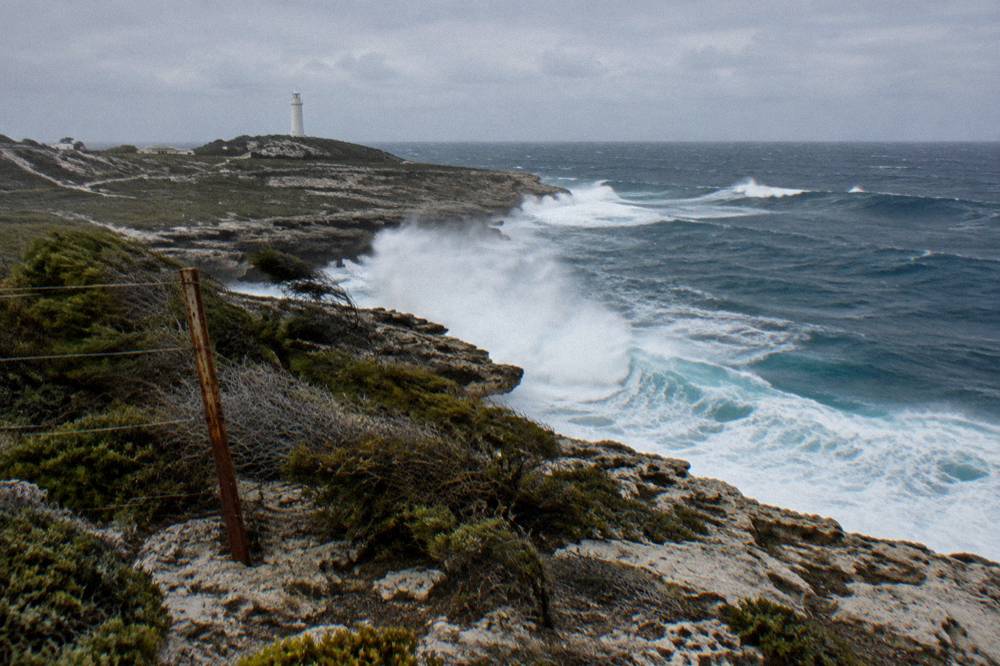
Most of the annual rain, about 557.9 mm on average, falls from May through August, usually as passing showers rather than day-long rain. Wind matters at least as much: summer afternoons bring the south-westerly sea breeze that fills the sails of catamaran tours, while strong winter fronts can delay ferries, as timetables vary by season and weather.
Wind is the underrated variable on a Rottnest trip. The sheltered northern bays, Thomson Bay, The Basin, Longreach and Geordie Bay, face away from the prevailing south-westerly and stay swimmable on days when the west coast is rough. The western end of the island, the Wadjemup Lighthouse and the West End lookouts, can be wild and spectacular on the same afternoon. Cyclists doing the full 22 km loop should expect headwinds on the western legs and plan the loop accordingly; the official cycling guidance puts the full circuit at 3 to 5 hours for experienced riders.
Weather also drives the one decision that cannot be fixed on the day: ferry timing. Operators ask passengers to arrive at least 30 minutes before departure, and sailing times adjust for conditions. The practical hedge is choosing a product with free cancellation, which most of the ferry-inclusive roster carries, and not over-scheduling the afternoon. A morning snorkel and an afternoon bus loop can both fit in one day in summer, but in winter it pays to pick one anchor activity and leave slack around it.
When Can You See Whales Around Rottnest?
Whale season in the Perth region runs August to December, with sightings sometimes from June and July, as humpbacks, southern rights and calves migrate through Western Australian waters. Sightings are possible from the ferry deck and from island lookouts, but no operator promises them, so treat a whale as a bonus rather than the itinerary.
The official whale watching page is careful on this point, and honest planning follows it. The wildlife adventure cruise from Rottnest Express, from A$164, circles the coast where whales pass in season and where New Zealand fur seals haul out at Cathedral Rocks year-round, but the product is an adventure cruise, not a guaranteed whale tour. The same applies to ferry crossings: the up-to-90-minute run from Barrack Street Jetty spends long enough on the water that sightings happen, particularly from September to November.
Timing a whale-season trip has a second payoff. Late August and September overlap with quokka joey season, when young first appear from the pouch and take their first hops, and with the start of wildflower season on the island's heath. A September day can combine a morning whale-sighting ferry, a quokka walk near the settlement and an afternoon at the Oliver Hill train and tunnel tour, a 2-hour island-only product from A$40 rated 4.6 from 35 reviews. The rules around quokkas are strict in every season: observe from a safe distance, do not touch, do not feed, and stay on the paths, with deliberate interference risking an on-the-spot fine and prosecution with fines up to A$10,000.
Which Tours Run In Which Season?
Ferry, bike, bus, train, segway and rickshaw tours run year-round; water products follow the warm season from spring to autumn; and the Luxe seafood cruise pauses entirely in winter. Choosing by season means matching your anchor activity's calendar to the month you travel, not hoping a winter listing is open.
The table maps the roster's main formats against the seasons. Prices are per-person from-prices from each listing, all include the A$21.50 admission inside the fare where the listing says so, and every rating shown is printed with its review count.
| Tour format | Example product | From price | Rating and reviews | Season |
|---|---|---|---|---|
| Ferry and bike day | Hillarys full-day bike trip, Rottnest Fast Ferries | A$124 | 4.7 from 2,941 reviews | Year-round |
| Ferry and bike day | Fremantle ferry and bike day, Rottnest Express | A$127 | 4.7 from 948 reviews | Year-round, often sells out |
| Ferry and bus tour | SeaLink ferry and bus tour | A$149 | 4.6 from 1,515 reviews | Year-round, often sells out |
| Grand day with lunch | Grand Island day tour, Hillarys with lunch | A$199 | 4.4 from 671 reviews | Year-round |
| Island bus and train | Grand bus and train tour with lunch, island-only | A$119 | 4.6 from 121 reviews | Year-round, often sells out |
| Train and tunnels | Oliver Hill train and tunnel, island-only | A$40 | 4.6 from 35 reviews | Year-round |
| Adventure cruise | Wildlife cruise plus ferry, Rottnest Express | A$164 | 4.5 from 244 reviews | Mid-September to April |
| Catamaran snorkel | Half-day snorkel and sail, Charter 1 | A$185 | 4.8 from 33 reviews | Warmer months |
| Seafood cruise | Luxe Island Seafood Cruise | A$395 | 4.9 from 56 reviews | Seasonal, not run in winter |
| Segway tours | 1-Hour Settlement Segway, Segway Tours WA | A$98 | 4.7 from 63 reviews | Year-round |
Winter visitors are not short of options, and the island-only products arguably suit the season best. The Grand bus and train tour with lunch, run by Australian Pinnacle Tours from the island railway station, covers the interior and the guns in four hours with lunch included, which is a comfortable cold-day structure. The 1-Hour Settlement Segway tour, from A$98, is a short, sheltered introduction to the settlement, while the Fortress Adventure segway, from A$139 with a 4.8 rating from 117 reviews, heads to the headland fortifications with a maximum of 10 per group.
Should You Visit In The Shoulder Seasons?
October, November, March and April are the strongest all-round months: water warm enough for swimming, air in the low twenties, crowds and prices below peak, and the full tour calendar open. The main gaps are that the sea is cooler than mid-summer and the catamaran and snorkel season only ramps up from mid-October.
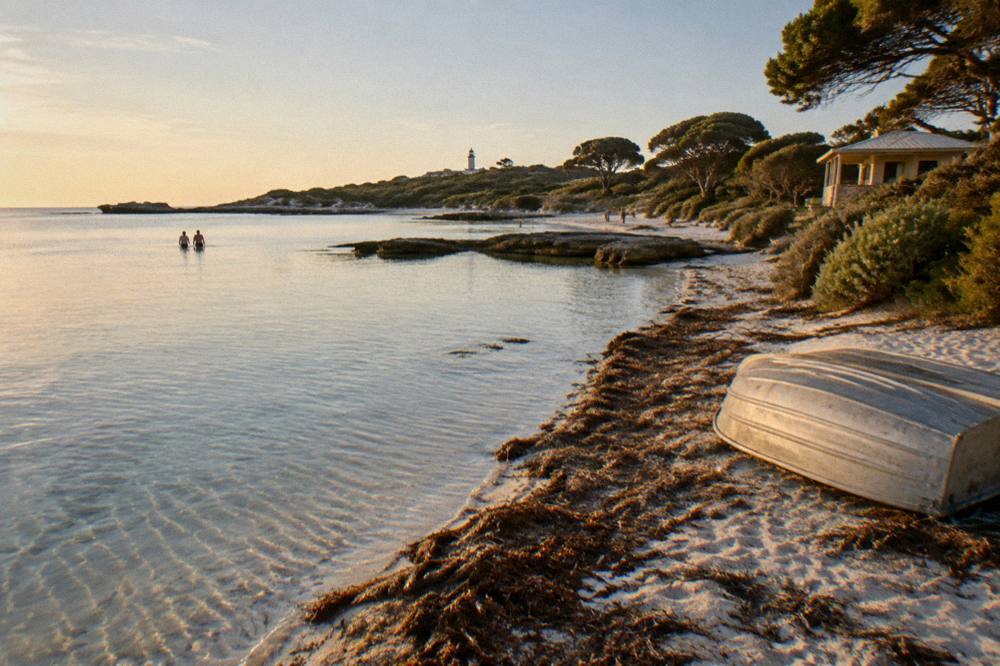
Spring carries a quiet advantage that most guides miss. The island's climate page and the marine sanctuary records point to September to April as the warm-water window, but the water-based operators reopen on a staggered schedule: the guided snorkel boat trips restart in mid-October, and the catamaran season follows the warming water. That makes late October and November a genuine sweet spot, with the whole roster live, quokka joeys active, whale season still running and the December rush still weeks away. March and April mirror it on the other side, with the warmest water of the year lingering after the summer crowds have gone.
Shoulder trips also interact well with the ferry-admission structure. Because the A$21.50 single-day adult admission is collected inside the fare regardless of month, the seasonal saving comes from fare demand and availability rather than island fees, and dynamic pricing rewards off-peak dates. Visitors comparing the total cost of a day out can read the breakdown in how much does a day trip to Rottnest cost, which prices the same packages across the calendar.
How Do You Plan Around The Forecast?
Book the ferry and any in-demand package ahead, choose free-cancellation products so weather can move the date, and structure the day with a sheltered-north-bay morning and a flexible afternoon. Check the Bureau's Rottnest forecast and the operator pages a day or two out, since timetables vary by season and weather.
The single most useful habit is anchoring the day to one booked product and leaving the rest loose. A morning ferry-and-bike arrival from Hillarys, about a 45-minute crossing with free parking at the harbour, lands you at the Main Jetty with a bike included and the whole day ahead. From there the Rotto Mini Loop takes about 30 minutes, the 10 km Beaches, Lighthouses and Lakes route takes 1.5 to 3 hours, and the full 22 km loop takes 3 to 5 hours, so the forecast can decide the distance on the day. Helmets are required by law for all riders, and in peak season bikes can be fully booked, which is the argument for a package over separate hire.
The second habit is respecting what the season cannot offer. Winter swimmers should expect water in the high teens and pack a wetsuit; summer cyclists should carry more water than feels reasonable; and anyone hoping for whales should travel between August and December while accepting that sightings are never guaranteed. Pack layers in every season, because the afternoon sea breeze that makes a February afternoon bearable can chill a June one to the bone.
Common Questions About Rottnest Island Weather
What is the best month to visit Rottnest Island?
Late October and November are the strongest all-round months: the air is warm but not peak-hot, the water is climbing past 19 C, the full tour calendar is open, whale season is still running and summer crowds are weeks away. March and April offer a similar balance with the warmest water of the year after the peak has passed.
Is Rottnest Island warm in winter?
Mild rather than warm. Winter days average about 18 C, with July the coolest at about 17.9 C and overnight lows near 12.4 C. That is comfortable for hiking and wildlife watching, and swimming is still possible year-round, though many swimmers wear wetsuits in winter.
Does it rain a lot on Rottnest Island?
Annual rainfall averages about 557.9 mm and falls mostly in winter, concentrated from May through August. Rain typically arrives as passing showers rather than all-day events, but winter visitors should carry a light rain layer and build some flexibility into the day.
When can you see whales at Rottnest Island?
Whale season in the Perth region runs August to December, with sightings sometimes from June and July. Humpbacks, southern rights and calves pass through Western Australian waters on migration, and sightings are possible from ferry decks and island lookouts, though no operator guarantees them.
Is the water warm enough to swim at Rottnest?
Swimming is possible year-round. The comfortable 20 C-plus window runs roughly November to July, with early October water near 18.8 C. From September to April the official guidance frames the island as a warm-water destination, and winter swimmers commonly wear wetsuits.
Do tours run at Rottnest in winter?
Ferry, bike, bus, train, segway and rickshaw tours run year-round. The main winter closure is the Luxe Island Seafood Cruise, which the listing states is not run in winter, and water-based products generally follow the warmer months from spring through autumn.