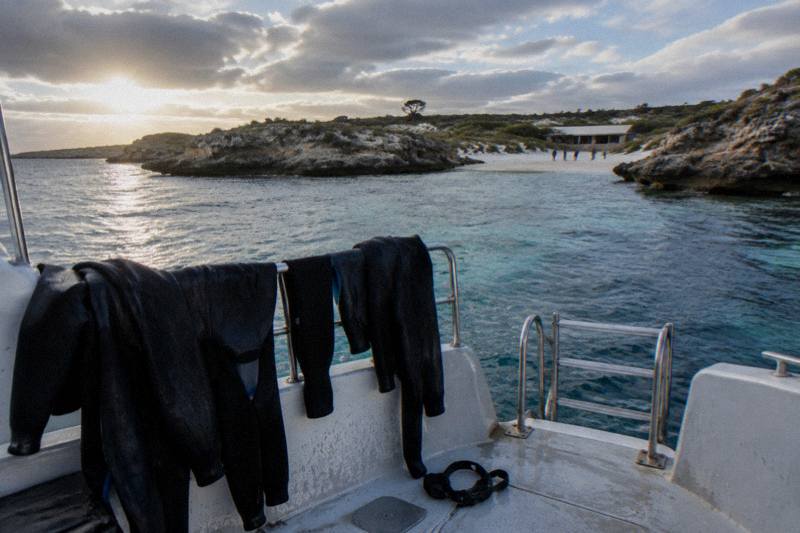
Is The Basin Rottnest Good For Snorkelling?
The Basin is Rottnest's most photographed swimming spot, but is it the island's best snorkel site? What the official trail pages say, who The Basin suits, and when to pick Parker Point, Little Salmon Bay or a boat trip instead.
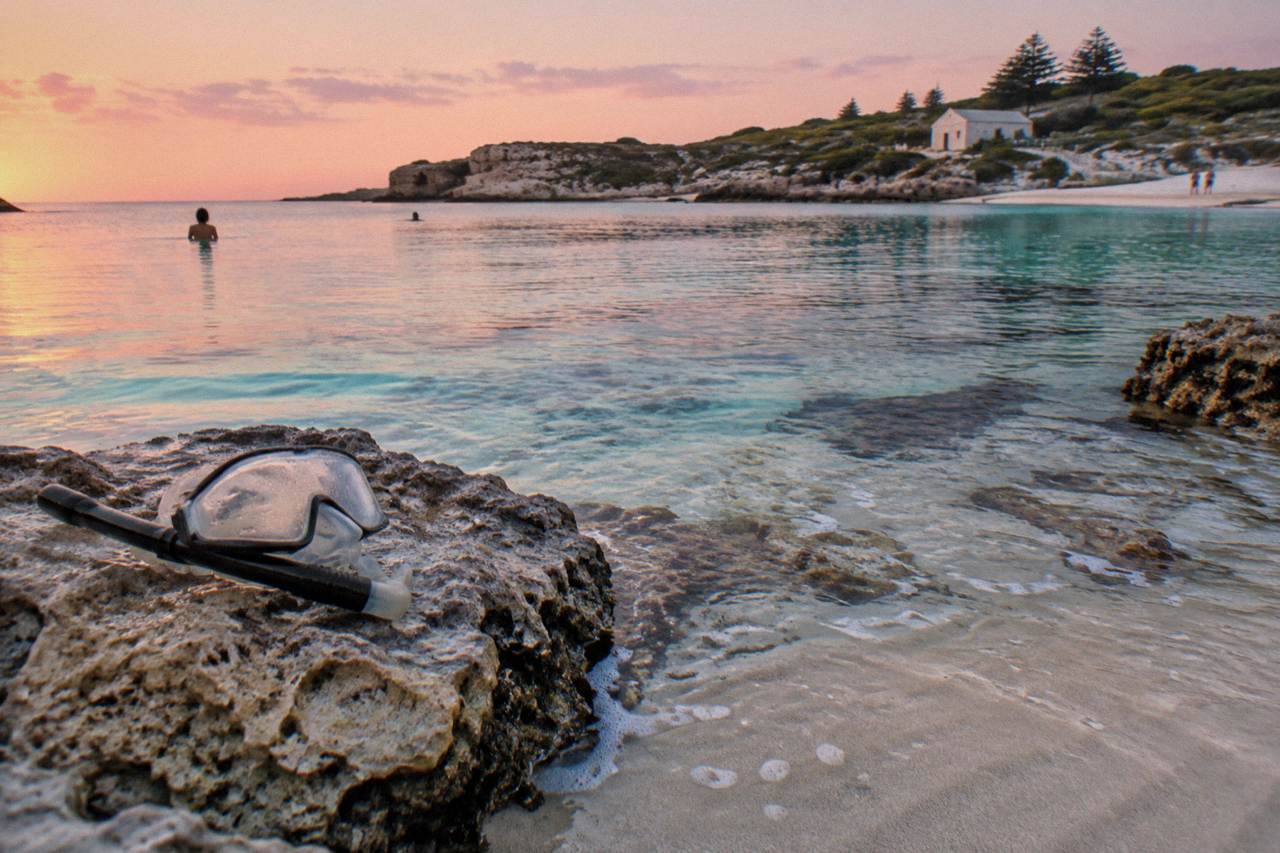
The Basin sits a short ride from Thomson Bay on Rottnest's north-facing shore, a shallow limestone bowl that traps clear water at most tides and shows up on more postcards of the island than any other single spot. It is a genuinely good place to swim. Whether it is a genuinely good place to snorkel depends on what you want from a mask and fins: the water is calm and the fish are real, but the island's official snorkel trails, at Parker Point and Little Salmon Bay on the southern side, were built where the reef life is thickest, and the boat-based trips reach water neither shore option can touch.
The Basin gives you calm, sheltered water straight off the beach, while the two purpose-built trails lay out markers to follow underwater., and who each one suits. Along the way it covers how the snorkel boat options work, including the Rottnest Express ferry and bike day that gets most day visitors to the island in the first place, and the Rottnest Snorkel guided boat experience that runs from Thomson Bay. Facts come from the Rottnest Island Authority, the official island site, and the tour listings on this site. For a wider look at time on the water, the guide to Rottnest boat trips and coastal eco tours compares the cruise, sailing, and wildlife watching options around the island.
Is The Basin Rottnest Good For Snorkelling?
Yes, for confident swimming, easy access and sheltered, shallow water, and it is the island's most patrolled beach in summer, but the official interpretive snorkel trails at Parker Point and Little Salmon Bay are the better pick for reef, coral and fish variety. The Basin rewards a short, relaxed float rather than a long explore. If you're weighing up other swim spots around the island, our guide to swimming and shark safety across Rottnest's beaches covers which ones suit your confidence level.
The Rottnest Fast Ferries guide to The Basin describes it as an iconic sheltered snorkel and swim spot, with shallow reef and a maximum depth of around 5 metres, well over 400 fish species recorded across the island's waters, and coral in the reserve. That page also notes The Basin is patrolled by Surf Life Saving WA on weekends and public holidays from November to January, and that it is the only patrolled beach on the island through the summer period. For families with nervous swimmers, that single fact carries a lot of weight.
What The Basin is not, on the official record, is one of the island's designed snorkel trails. The Rottnest island site maintains dedicated pages for two of those, Parker Point and Little Salmon Bay, each with marked underwater plaques, set distances and suggested times. The Basin has no marked trail, no interpretive signage under the water, and no listed route length. You float in a natural rock pool; you are not following a curated reef walk.
That distinction matters because most people's Rottnest day is short. If you have five hours on the island and one snorkel in you, spending it at the spot with twelve underwater plaques and a pink coral reef, rather than the spot with the best photo backdrop, gets you more fish per minute. Plenty of visitors do both: The Basin for the swim and the photo, Parker Point for the snorkel.
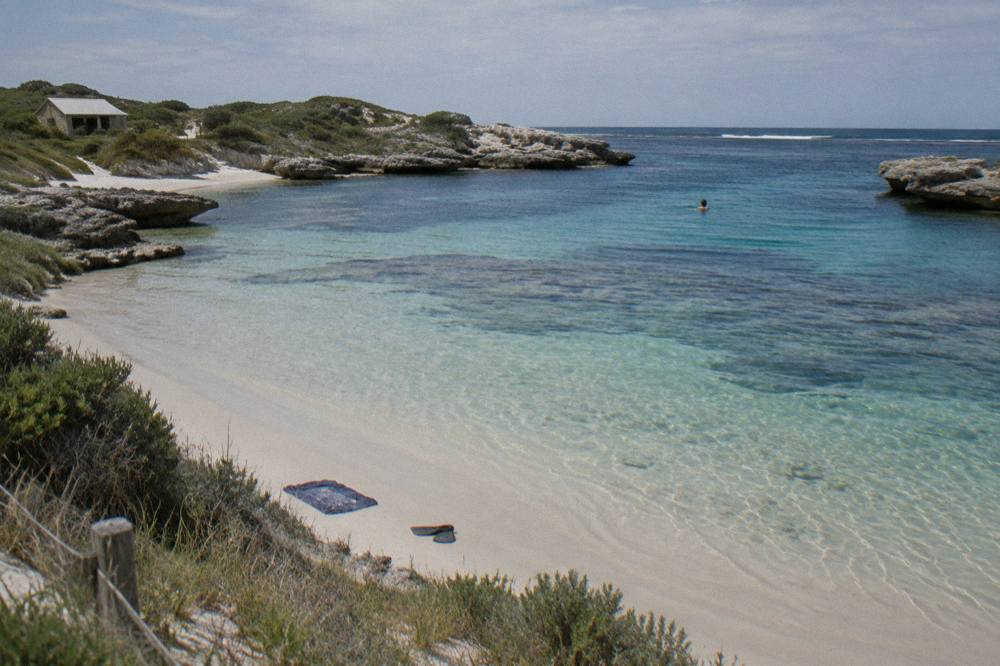
There is a second, quieter argument for The Basin as a snorkel spot: geography. It faces north, into the sheltered waters of the island's leeward side through the prevailing sea breeze, which is why the water inside the bowl stays swimmable on afternoons when the southern bays are choppy. The southern trails are, on paper, the richer snorkel. On a strong sea-breeze day in January, the northern bowl is the one you can actually use.
For readers comparing the full range of ways to get wet around the island, from a shore float at The Basin to a boat with gear supplied, the three options below cover the spread: the catamaran snorkel and sail, the guided snorkel boat trip, and the ferry and bike day that most snorkellers arrive on.
What Makes The Basin Different From The Other Snorkel Spots?
The Basin is a natural, shallow, north-facing rock pool with no marked trail, while Parker Point and Little Salmon Bay are official interpretive snorkel trails with underwater plaques, set lengths and signage, sitting inside or beside marine sanctuary zones on the island's southern shore.
Start with the official trail pages, because they set the benchmark. The Parker Point Snorkel Trail is about 800 metres long, marked by twelve interpretive plaques on the seabed, with the official guidance allowing about an hour in the water. It sits in the Parker Point Marine Sanctuary Zone, which the Rottnest Island Authority protects specifically for its pink pocillopora coral. The Little Salmon Bay Snorkel Trail is a roughly 700 metre loop marked by ten buoys and plaques noting the marine life. Both are described as available on the official site, with no closure flagged in the current material.
The Basin has none of that apparatus. What it has instead is a natural formation: a shallow reef bowl that fills and clears with each tide, close to the Settlement, reachable in minutes by bike or the hop-on-hop-off bus. The Rottnest Fast Ferries page records the maximum depth at about 5 metres, with shallow reef surrounding it, and the island's broader reserve figures, about 400 fish species and 20 coral species, apply to all of its waters rather than to any one bay.
| Feature | The Basin | Parker Point trail | Little Salmon Bay trail |
|---|---|---|---|
| Type | Natural reef bowl | Marked interpretive trail | Marked loop trail |
| Length and depth | No set route, up to about 5 m | About 800 m, allow about 1 hour | About 700 m loop |
| Underwater markers | None | 12 seabed plaques | 10 buoys and plaques |
| Sanctuary zone | No | Yes, pink coral protection | Adjacent to sanctuary waters |
| Patrolled in summer | Weekends and public holidays Nov to Jan | No patrol noted | No patrol noted |
| Getting there | Short ride from Thomson Bay | 17 min by bike, bus stop 5 | Southern shore, ride or bus |
The honest summary of that table: The Basin is the social, easy, guarded option; the trails are the naturalist's option. Neither is wrong. A family with a seven-year-old who has never worn a mask will likely have a better hour at The Basin, patrolled water and all, than wrestling a child around an 800 metre marked trail. A confident adult snorkeller with a morning free should head south.
One thing the official pages do not do is rank the three for water clarity or fish counts, and this article will not invent a ranking. Visibility changes with tide, wind and season, and no verified figure exists for how many fish you will see at each. What the record does support is structural: the sanctuary zones on the southern side concentrate protected reef, and the plaques exist to show you what you are looking at.
The Basin's depth also caps what you see. Five metres of sheltered, sunlit water is paradise for beginners and for photography of the water itself, but the richer coral gardens sit in the sanctuary zones, and the deeper reef and wreck sites beyond the bays are only reachable by boat. That is the gap the island's boat snorkel products fill, and it is why they exist alongside two perfectly good shore trails.
Who Should Snorkel At The Basin And Who Should Head South?
Choose The Basin for first-timers, families, weak swimmers and anyone who wants patrolled, waist-deep-to-shallow water minutes from the Settlement; choose Parker Point or Little Salmon Bay if you are a confident snorkeller who wants coral, marked trails and a proper hour in the water.
The case for The Basin is almost entirely about friction. It is close, it is shallow, it is calm on most days, and through November to January it carries the island's only weekend and public holiday patrol. If someone in your group is nervous in the ocean, this is the bowl built for them. The reef fish are present, the water is genuinely clear much of the time, and getting out is as easy as standing up.
The case against, for a keen snorkeller, is equally simple. You will exhaust what The Basin shows you in twenty to thirty minutes of relaxed floating. There is no route to follow, no plaques to read, no sanctuary zone concentrating the coral. It is a swim that involves a mask, more than a snorkel destination.
The middle path, and the one many visitors land on, is to treat The Basin as a swim stop on a wider day and take the serious snorkelling elsewhere. A day built on the Rottnest Express bike and ferry package from Fremantle, from A$127 per person and rated 4.7 from 948 reviews, lets you ride the loop, swim at The Basin when you pass it, and still reach Parker Point with time to snorkel the plaques. The trade is effort: the full island loop runs 22 km with some challenging hills, and the official cycling guidance rates it as suited to experienced riders.
For a deeper look at the two shore trails and the other snorkel spots around the coast, the site's Rottnest snorkelling tours and spots guide covers the full coastline, and the Rottnest bike hire prices and routes guide works through what a bike actually costs on the island and the three official routes, including the 4 km Rotto Mini Loop that suits families.
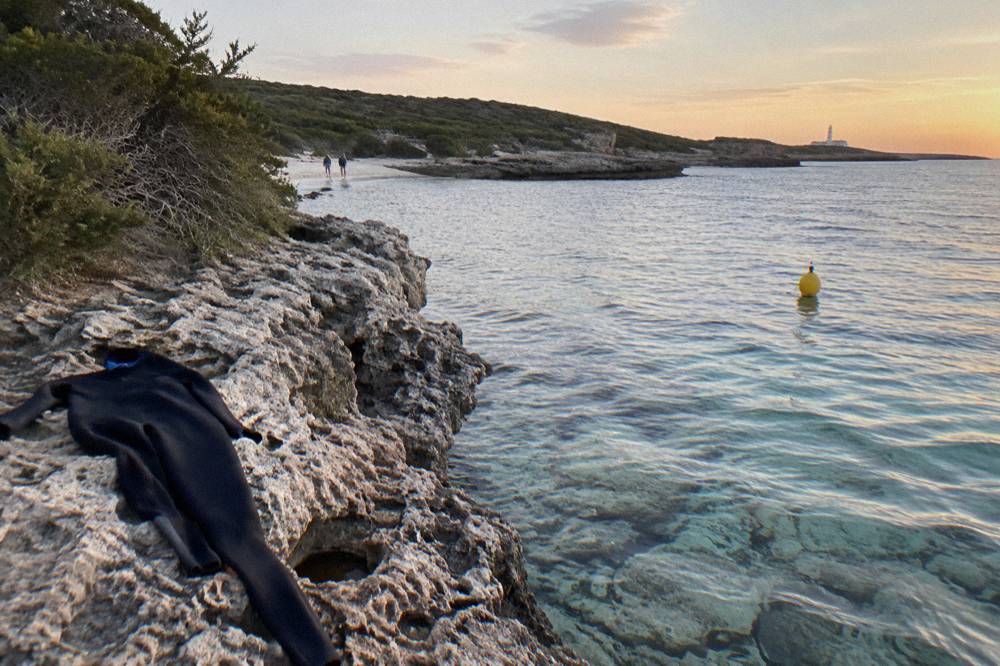
Age and confidence deserve a plain sentence each. Children who swim happily will manage The Basin without drama and will enjoy it; the same children may find a one-hour marked trail long. Adults who snorkel regularly will find The Basin pleasant and brief, and should not build a day around it. Groups split between the two types can base themselves at The Basin and send the keen snorkellers south on the Island Explorer bus, which stops at Parker Point, stop 5 on its loop.
Season matters too. The official island pages describe warm-water activity running September to April, with swimming possible year-round and many winter swimmers wearing wetsuits thanks to the Leeuwin Current. An October snorkeller and a January snorkeller are having different experiences of the same water.
When Is A Snorkel Boat Trip Better Than Any Shore Spot?
A snorkel boat beats every shore option when you want deeper water, gear supplied, a guide in the water with you, or access to sites beyond walking and riding distance, and it is the only way to snorkel a wreck or outer reef without your own vessel.
The shore options, The Basin included, share one ceiling: they are all close to land. The island's five marine sanctuary zones include the Kingston zone in Thomson Bay, which protects four shipwrecks, and those deeper, more exposed sites are the natural territory of the boat products. The Kingston wrecks sit in water that a shore snorkeller from the Settlement cannot comfortably reach. Everything else covered here is indexed on Rottnest Island Tours.
The guided boat option on this site's roster is the Rottnest Island Guided Snorkel Boat Experience, run by Rottnest Snorkel. It runs three hours from the Fuel Jetty at Thomson Bay, costs from A$239 per person, is rated 4.5 from 51 reviews, and includes the island admission fee in its price, with free cancellation. The operator's season restarts on 12 October for the summer, running from a 17 metre flybridge cruiser with a maximum of about ten snorkellers per in-water guide, gear hire and light refreshments, visiting sheltered bays, reefs and shipwrecks. For a swimmer who wants someone else to choose the site, carry the gear and keep an eye on the group, this is the product that does it.
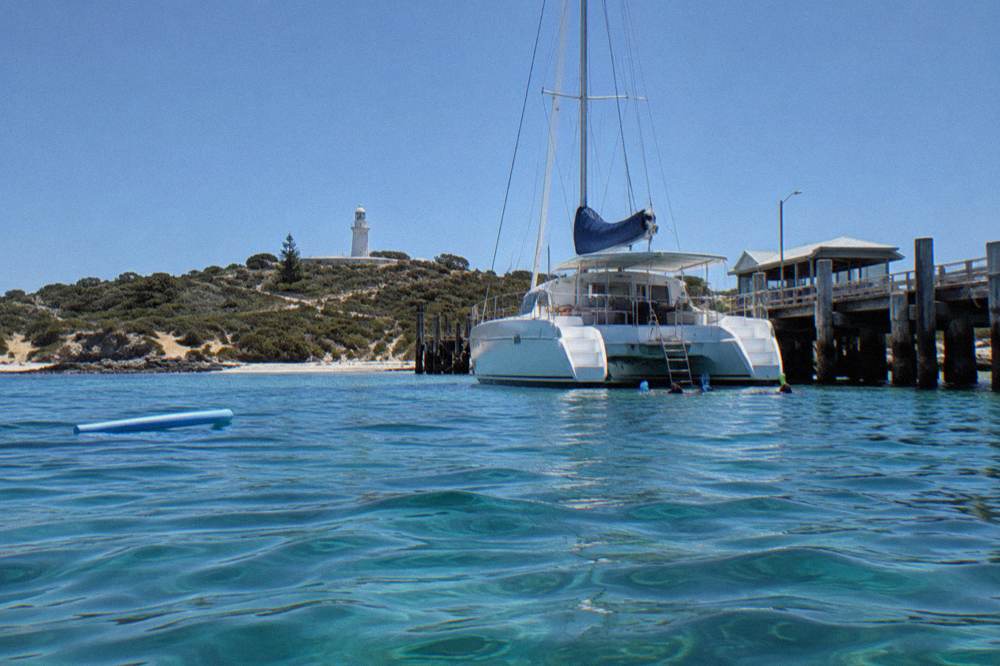
The sail option is a different animal again. The Rottnest Island Half-Day Snorkel & Sail Catamaran Tour, run by Charter 1, is a three-hour trip from Thomson Bay's Fuel Jetty at from A$185 per person, rated 4.8 from 33 reviews, carrying full snorkel gear plus kayaks and stand-up paddleboards. It splits the difference between a dedicated snorkel expedition and a leisurely sail: part of the time you are in the water, part of it you are on the deck. The operator's own material describes a Nov to Apr operating window, weather-dependent, with snorkellers aged eight and up.
A comparison table keeps the three ways wet honest:
| Option | Price | Time | Rating and reviews | Best for |
|---|---|---|---|---|
| The Basin from shore | Admission in ferry fare, no extra | Any time | Not applicable | Beginners, families, patrolled swim |
| Catamaran snorkel and sail | From A$185 per person | 3 hours | 4.8 from 33 reviews | Mixed sail and snorkel, gear included |
| Guided snorkel boat trip | From A$239 per person | 3 hours | 4.5 from 51 reviews | Guided sites, wrecks, small groups |
Note what that table cannot say: which option shows you the most fish. No verified figure exists comparing sightings across shore and boat sites, and the weather picks the winner on any given day. A calm morning makes the shore trails superb; a choppy one makes the boat the only comfortable choice, and the operators watch that forecast closely.
One planning point from the official record: the ferry crossing itself runs about 25 minutes from Fremantle and up to 90 minutes from Perth's Barrack Street Jetty, so a boat-snorkel day from Perth is a long day. Fremantle departures pair better with a fixed 9 am or mid-morning boat departure. The site's Fremantle to Rottnest ferry guide covers that crossing in detail.
What Are The Rules That Affect Snorkellers At The Basin?
Snorkellers at The Basin share the water with five marine sanctuary zones' worth of protection rules, a 5 knot speed limit in most bays, and, on land, the island's strict wildlife rules, including the prohibition on touching or feeding quokkas, which carries an on-the-spot fine and potential prosecution with fines up to A$10,000.
The water rules come from the Rottnest Island Authority's marine reserve material. Five sanctuary zones, Kingston, Parker Point, Green Island, Armstrong Bay and West End Demersal, prohibit or restrict fishing and collecting, with each zone protected for something specific: the Thomson Bay shipwrecks, the pink coral at Parker Point, male Australian sea lion habitat at Green Island, seagrass at Armstrong Bay and bottom-dwelling species including western rock lobster at West End. A snorkeller taking nothing and touching nothing is comfortably inside the rules everywhere, but spearfishing gear, collecting shells or handling marine life are not. A 5 knot limit applies to vessels in most bays, which is why the boat tours idle rather than zoom in close.
The land rules matter because every snorkel day starts and ends on shore, and Rottnest's shore belongs to quokkas. The official rules are plain: observe from a safe distance, do not touch, do not feed, stick to the paths. Deliberate interference with wildlife, including feeding, can be fined on the spot under the Rottnest Island Regulations 1988 and prosecuted under wildlife legislation with fines up to A$10,000. Leaving food unattended on the beach while you snorkel at The Basin counts as the kind of thing rangers watch for. The site's why can't I touch a quokka article covers the reasoning and the penalties in full.
Practical snorkel rules are fewer than people expect. There is no listed snorkel-only zone at The Basin, no gear hire price published on the official pages for the beach itself, and no formal requirement beyond ordinary water sense. The official practical-tips page repeats the standard advice: helmets are legally required on bikes, ferries want you at the terminal 30 minutes before departure, and timetables vary with season and weather. If you are hiring rather than bringing gear, the site's can you hire snorkels at Rottnest article works through the hire situation. The breakdown of snorkel gear hire at Rottnest also covers which boat tours fold a mask and fins into the fare, handy if a guided trip is already part of your plan.
One closing note on seasons and wildlife in the water. Whale season in the Perth region runs August to December, with sightings sometimes from June and July, and the official pages note sightings are possible from the ferry and from island lookouts. No operator on the roster promises a whale, a dolphin or a seal, and neither does this article. What the season does promise is movement on the crossing, which is a reasonable bonus on the way to a snorkel rather than a reason to book one.
So Where Should You Actually Snorkel On Rottnest?
Most visitors get the best day by combining a short, easy swim at The Basin with a proper snorkel at Parker Point or Little Salmon Bay, or by swapping the shore entirely for a three-hour boat trip if gear, guidance and deeper sites matter more than independence.
The pattern that works is hardly a secret but is worth stating plainly. Arrive early, before the sea breeze fills in, and snorkel the southern trail while the water is at its calmest. Ride or bus back through the island, swim at The Basin in the early afternoon when the sun is high and the bowl is at its photogenic best, and let the patrol flag, in season, do its quiet work of keeping the family relaxed. Splitting the two experiences is what lets each one be what it is.
Getting there shapes the whole day. The two most-booked options on this site's roster are the Rottnest Fast Ferries bike and ferry day from Hillarys, from A$124 per person, 4.7 from 2,941 reviews, the deepest review pool of any listing here, with the island admission fee, bike and ferry all bundled, and the Rottnest Express equivalent from Fremantle at from A$127, 4.7 from 948 reviews. Both land you at Thomson Bay with wheels, which is the difference between a snorkel day that includes The Basin and Parker Point and one that includes whichever is nearer the jetty.
For swimmers who want the water to be the whole point, the catamaran trip earns its place. Three hours, gear on board, kayaks and paddleboards between snorkels, 4.8 from 33 reviews and from A$185 per person, and it needs no ferry-and-bike logistics at all once you are on the island. Check availability on the live listing for the days you are actually there, since the operator's window runs to April and the weather holds the final say.
Common Questions About The Basin And Snorkelling On Rottnest
Is The Basin Rottnest Good For Snorkelling?
Yes, for an easy, sheltered, shallow swim with reef fish present and summer weekend patrols. It is not a marked snorkel trail; the official interpretive trails at Parker Point and Little Salmon Bay are the stronger pick for coral and fish variety, and boat trips reach deeper sites.
Can you see fish at The Basin?
Yes. The island's waters hold about 400 fish species and 20 coral species across the reserve, and The Basin's sheltered reef holds its share, in water up to about 5 metres deep. It is a short, relaxed float rather than a long explore.
Is The Basin safe for children?
It is one of the safer swimming spots on the island: shallow, calm on most days, and patrolled by Surf Life Saving WA on weekends and public holidays from November to January, the only patrolled beach there in summer. Ordinary water supervision still applies.
How do I get to The Basin from the ferry?
The ferry lands at the Main Jetty in Thomson Bay. The Basin is a short bike ride away, or reachable on the hop-on-hop-off Island Explorer bus; the crossing itself takes about 25 minutes from Fremantle and up to 90 minutes from Perth's Barrack Street Jetty.
Is Parker Point better than The Basin for snorkelling?
For a confident snorkeller, usually yes: the Parker Point Snorkel Trail runs about 800 metres with 12 underwater plaques inside a marine sanctuary zone protected for its pink coral. The Basin is better for beginners, families and an easy swim near the Settlement.
Do I need to bring my own snorkel gear?
You can bring your own, hire on the island, or book a boat trip where full gear is included, as on the catamaran snorkel and sail and the guided snorkel boat experience. The official pages do not publish a beach-side gear hire price, so check the listing or operator pages before relying on hire.