Rottnest Island Quokka Tours: Which Trips Suit A Quokka-Focused Visit
Quokkas are the reason many travellers book a Rottnest trip, but they are wild animals and no tour sells a guaranteed encounter. This guide covers the tours that suit a quokka-focused visit, the rules that protect the animals, and how to plan a day around them.
Short answer
No Rottnest Island tour can promise a quokka encounter because quokkas are wild and found across the whole island. The best-fit products are the private rickshaw quokka tour from A$145, the Segway tours from A$98 and the SeaLink ferry and bus tour from A$149. Observe from a distance, never touch or feed, and stay on the paths.
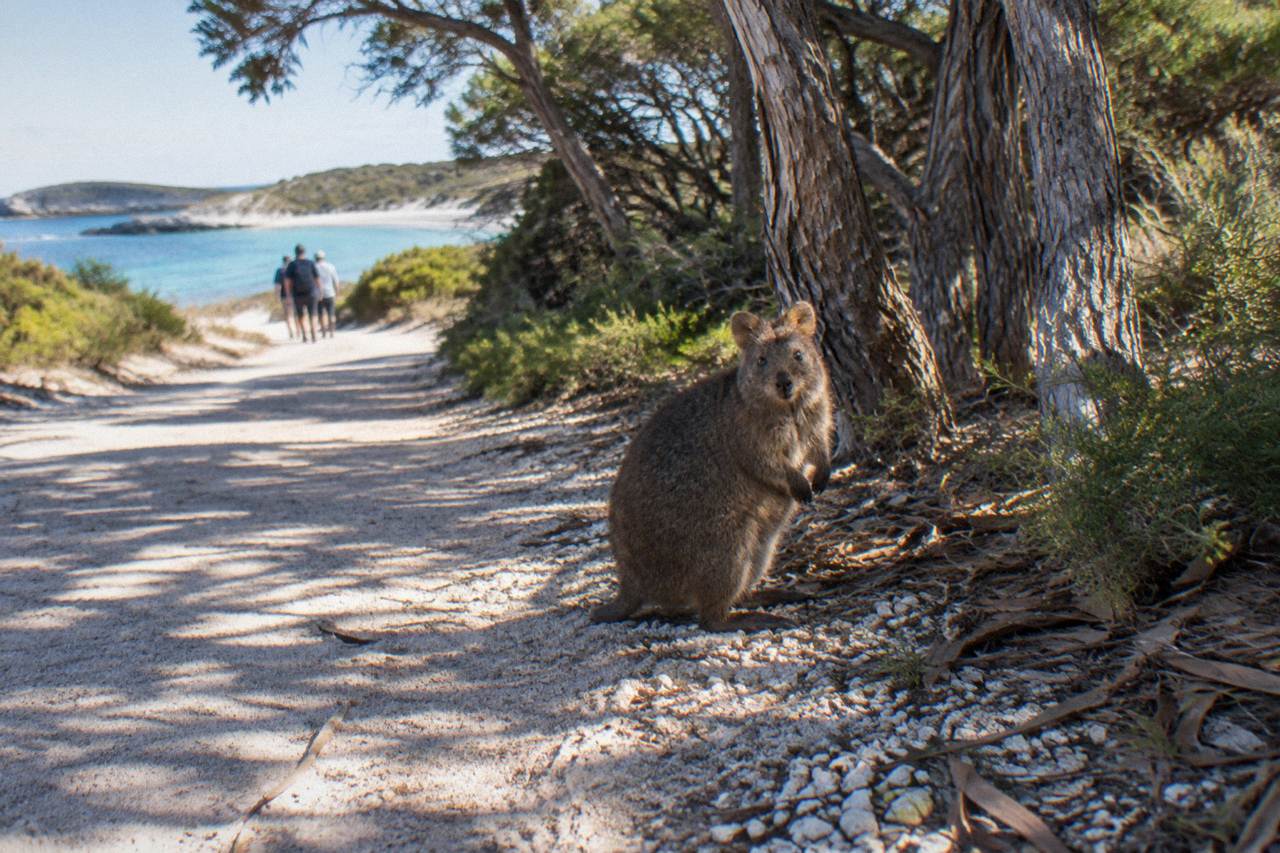
Rottnest Island, known to Whadjuk Noongar people as Wadjemup, carries the world's largest wild quokka population on a vehicle-restricted, predator-free island of 19 square kilometres. The animals are a small species of wallaby, mainly nocturnal, and they live right across the settlement, the bays and the walking trails rather than in one enclosure. That single fact shapes every honest answer in this guide: a quokka tour on Rottnest is not a wildlife park experience, it is a guided visit into the animals' own habitat, and the encounter depends on the day.
The tours that suit this goal best are the small-format products that move slowly through the settlement and the coast: the private rickshaw quokka tour run by Rotto Rickshaws, the Segway tours run by Segway Tours WA, and the bus tours that loop the island's west end. The Rottnest Island Tours roster covers all of them alongside the ferry packages that get you there. What follows is a working comparison of those products, the rules every visitor must follow, and the planning details that decide whether a quokka day works or disappoints. If the two-wheeled option appeals most, our guide to Rottnest segway tours covers the routes, the learning curve, and what a session with the quokkas actually feels like.
What Is A Quokka Tour On Rottnest Island?
A Rottnest Island quokka tour is a guided trip through the island's settlement, bays and trails where quokkas live wild, run by operators who know where the animals are most often seen, and it never involves handling, feeding or an enclosure. The private rickshaw quokka tour, the Segway tours and the bus tours are the three formats that fit, and each trades off pace, price and coverage differently.
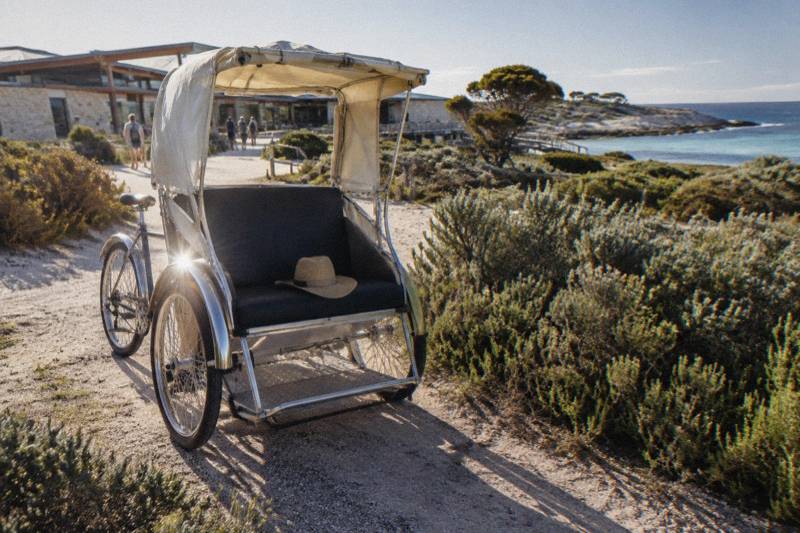
The rickshaw product is the most explicitly quokka-oriented listing on the roster. Rotto Rickshaws runs a private tour for three adults or a family of four, departing from Frankie's on Rotto in Thomson Bay, rated 5.0 from 15 reviews and priced from A$145 per person for a 1.5 hour loop. Because it is private, the pace follows the group, and a slow roll through the settlement at the hours quokkas are most active is exactly what the format is built for.
The Segway tours cover similar ground with a different rhythm. The 1-hour Settlement Segway tour from Segway Tours WA, from A$98, glides the flat paths around Thomson Bay where quokkas are commonly seen near shade and water. The Fortress Adventure Segway tour, 1.5 hours from A$139 with a maximum of 10 per group, heads toward the military heritage sites on the island's higher ground. Both are rated above 4.7 from their review pools.
Bus tours are the third format. The SeaLink ferry and bus tour, 4.6 from 1,515 reviews and from A$149, and the Rottnest Express ferry and bus tour, 4.5 from 792 reviews and from A$147, pair the mainland crossing with a guided loop of the island's lookouts, lighthouse and west end. They cover more ground than any rickshaw or Segway trip, but they move faster and spend less time in the settlement itself.
Which Rottnest Tours Suit A Quokka-Focused Visit?
The best-fit tours are the private rickshaw quokka tour (from A$145, 1.5 hours, private), the 1-hour Settlement Segway tour (from A$98) and the Fortress Adventure Segway tour (from A$139), with the SeaLink ferry and bus tour (from A$149) as the format that adds island-wide coverage. All four are island or ferry-inclusive products with free cancellation on their listings.
The honest starting point is that quokkas are found across the island, so a quokka-focused visit is really a question of pace and timing rather than a question of buying access. The rickshaw tour, the Segway tours and the settlement walks all operate inside the zone where quokkas are most commonly seen, and the bus tours reach the quieter bays where family groups also live. None of them can promise a sighting, and every listing on the roster would be misleading if it tried.
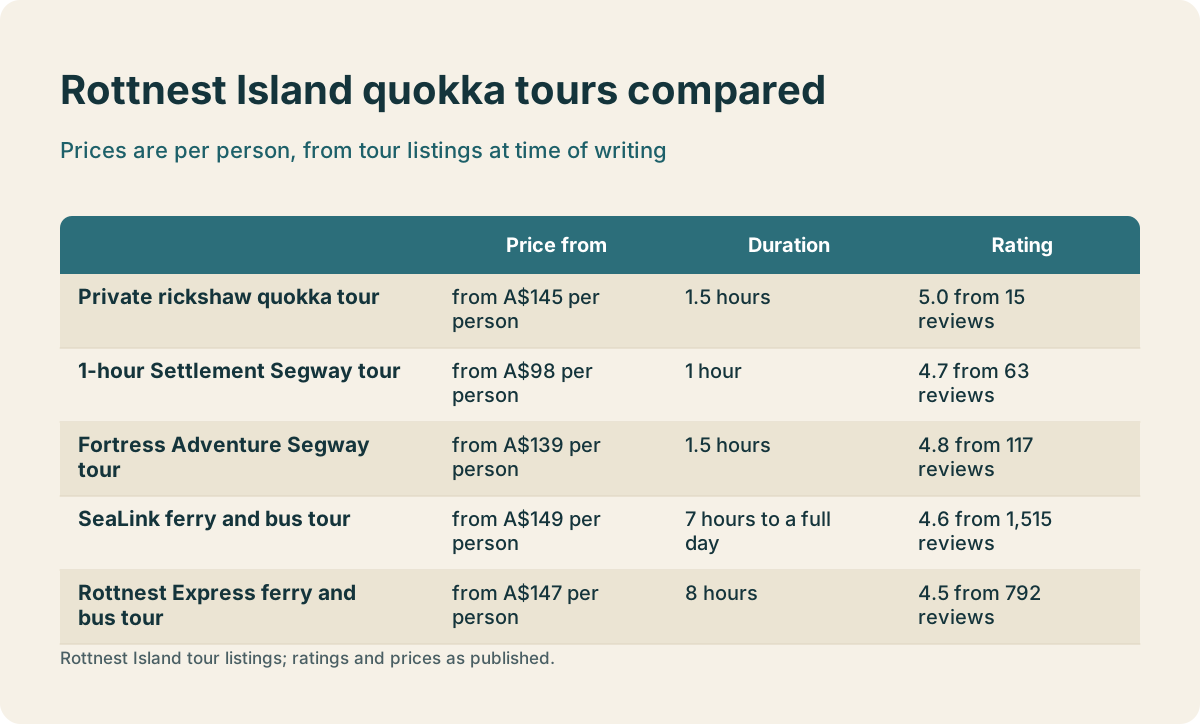
Here is how the quokka-relevant products compare on the numbers that matter when booking.
| Tour | Operator | Price from | Duration | Rating | Quokka angle |
|---|---|---|---|---|---|
| Private rickshaw quokka tour | Rotto Rickshaws | A$145 per person | 1.5 hours | 5.0 from 15 reviews | Private pace, settlement focus |
| 1-hour Settlement Segway tour | Segway Tours WA | A$98 per person | 1 hour | 4.7 from 63 reviews | Slow glide through Thomson Bay |
| Fortress Adventure Segway tour | Segway Tours WA | A$139 per person | 1.5 hours | 4.8 from 117 reviews | Heritage sites, max 10 per group |
| SeaLink ferry and bus tour | SeaLink Rottnest Island | A$149 per person | 7 hours to a full day | 4.6 from 1,515 reviews | Island-wide loop with ferry included |
| Rottnest Express ferry and bus tour | Rottnest Express | A$147 per person | 8 hours | 4.5 from 792 reviews | Perth or Fremantle departure choice |
The rickshaw tour earns its quokka branding without overpromising: it is private, it stays in and around the settlement where the animals are most often seen in shade during the day, and its small-group format means the guide can slow down or reroute when quokkas appear. Rotto Rickshaws departs from Frankie's on Rotto on Somerville Drive in Thomson Bay, so the tour starts in the heart of quokka territory.
The Segway option suits visitors who want a guided format at a lower price point. The settlement tour covers the flat coastal paths closest to the ferry arrival, and its one-hour length leaves most of the day free for the island's other draws, which the Rottnest beaches and swimming guide covers in detail. The fortress tour adds elevation, heritage commentary and a smaller group cap.
For visitors combining a quokka focus with a first visit, the bus format is the efficient choice. The SeaLink ferry and bus tour includes the ferry, the island admission fee and a guided loop, and it often sells out in peak season. It is the product to book when one day has to cover the settlement, the Wadjemup Lighthouse, the west end and the quokka zones, a trade-off the Rottnest bus and train tours guide unpacks further.
How Much Does A Quokka-Focused Rottnest Day Cost?
The tour itself runs from A$98 for the Settlement Segway tour to A$145 for the private rickshaw tour, the island admission fee is A$21.50 for a single-day adult and is collected inside the ferry fare, and a ferry-inclusive bus tour from A$149 covers both. Budget roughly A$240 to A$300 per adult for a ferry, admission-inclusive product plus an island quokka tour.
The admission fee is the figure that confuses the most first-time visitors, because it never appears as a separate charge on a ferry booking. The Rottnest Island Authority sets it, and ferry operators collect it on the Authority's behalf inside the fare, as the official getting there page explains. For the 2026-27 financial year a single-day adult pays A$21.50, a child aged 4 to 16 pays A$11, a family of two adults and two children pays A$57, and under-4s are free. Once that admission is sorted, meeting the quokkas costs nothing extra, and our explainer on what happens if a quokka bites you on Rottnest Island explains why bites stay rare among visitors who follow the rules.
| Cost item | Adult | Child (4-16) | Notes |
|---|---|---|---|
| Island admission, single day | A$21.50 | A$11 | Collected inside the ferry fare |
| Island admission, extended stay | A$28.50 | A$14.50 | Different-day return travel |
| Private rickshaw quokka tour | from A$145 | check the listing | Island-only, 1.5 hours |
| 1-hour Settlement Segway tour | from A$98 | check the listing | Island-only, 1 hour |
| SeaLink ferry and bus tour | from A$149 | check the listing | Ferry and admission included |
Island-only products like the rickshaw and Segway tours do not include the ferry, so their prices sit on top of the crossing. The cheapest admission-inclusive ferry product on the roster is the Fremantle ferry and entry ticket at from A$90 per person, run by SeaLink from B Shed, and the cheapest bike-and-ferry package is the Hillarys bike day at from A$124. A quokka day built on the rickshaw tour plus the from-A$90 Fremantle ferry simply stacks those two published prices.
One cost that does not exist is a quokka-specific access fee. There is no enclosure, no entry gate for the animals and no quokka photography permit. The money goes to the crossing, the admission that funds the island's management as a Class A Reserve, and whichever guided format fits the day. Travellers weighing whether the whole island justifies its costs can read the is Rottnest worth the money piece, which runs the full budget.
Where On The Island Are Quokkas Actually Found?
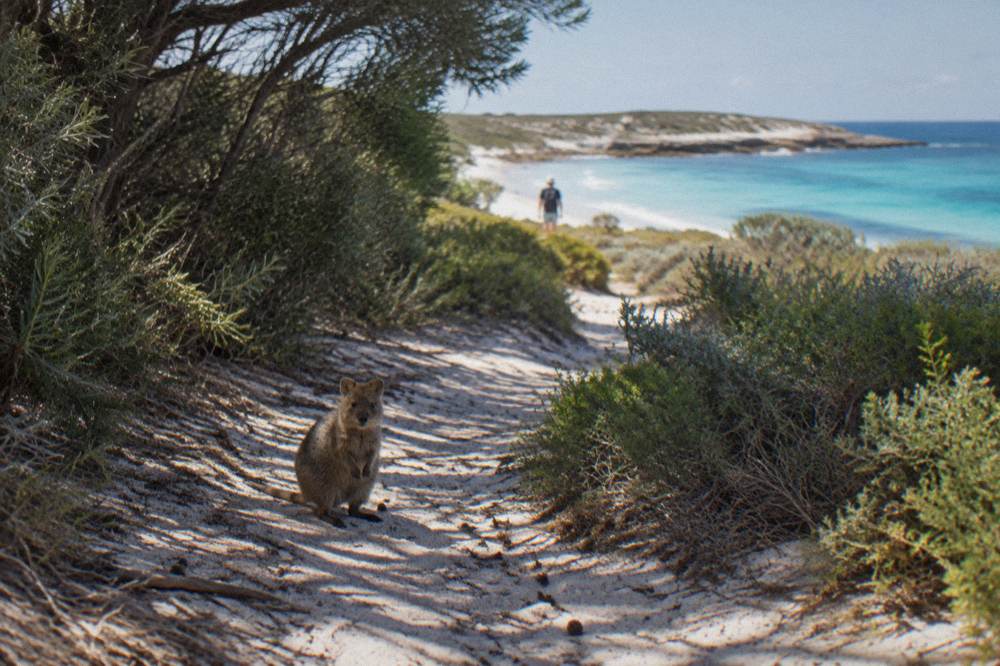
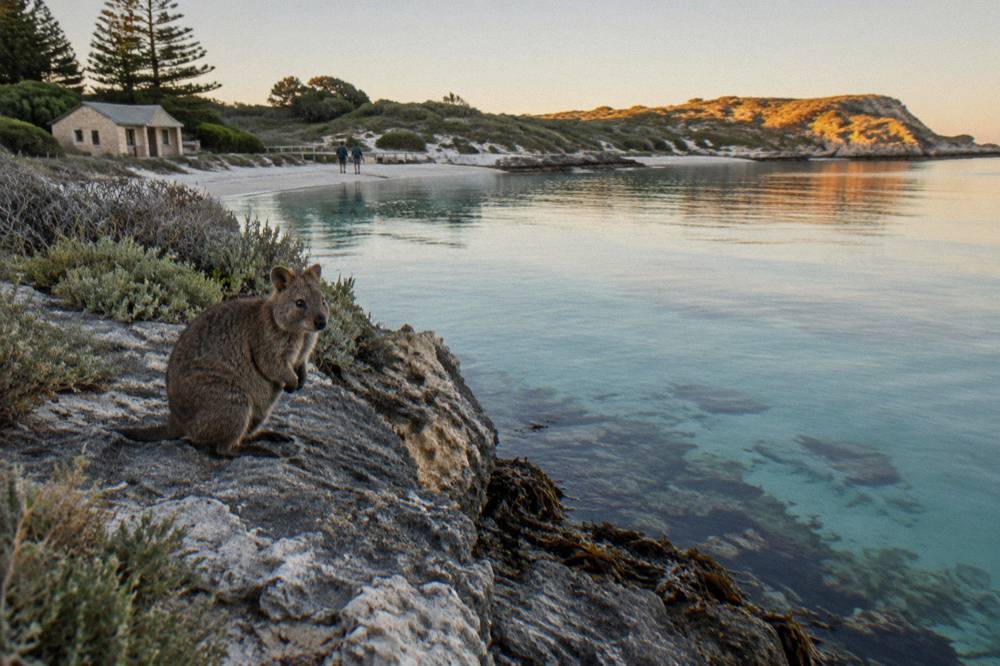
Quokkas live right across Rottnest Island, not in one spot: family groups are common in and near the Thomson Bay settlement, and the animals also inhabit the quieter bays, the walking trails and the natural bush across the whole 19 square kilometre reserve. They are most active early morning and late afternoon, and they rest in shade through the middle of the day.
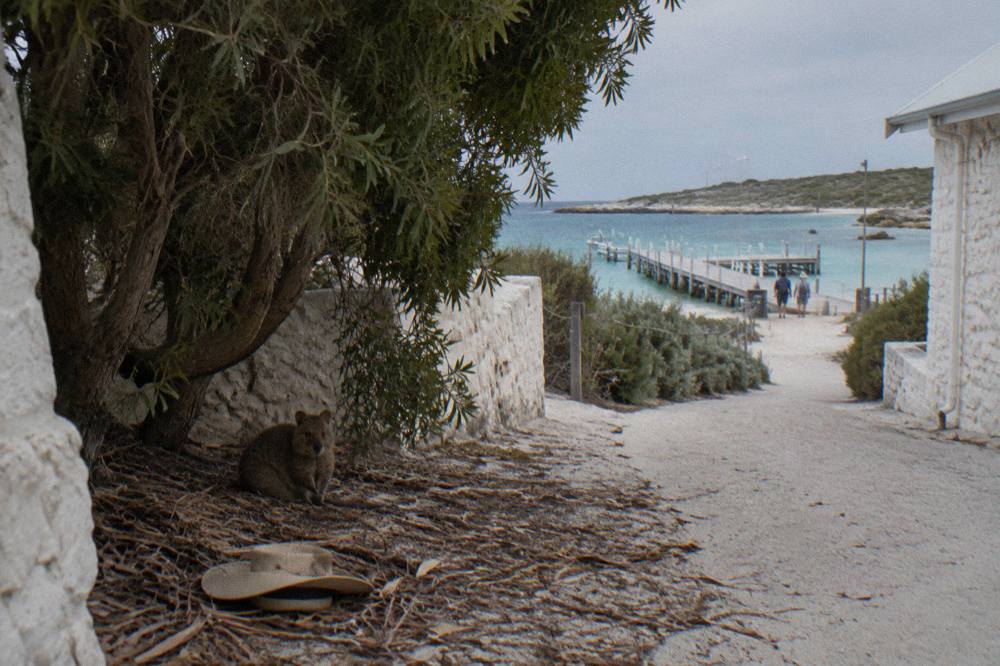
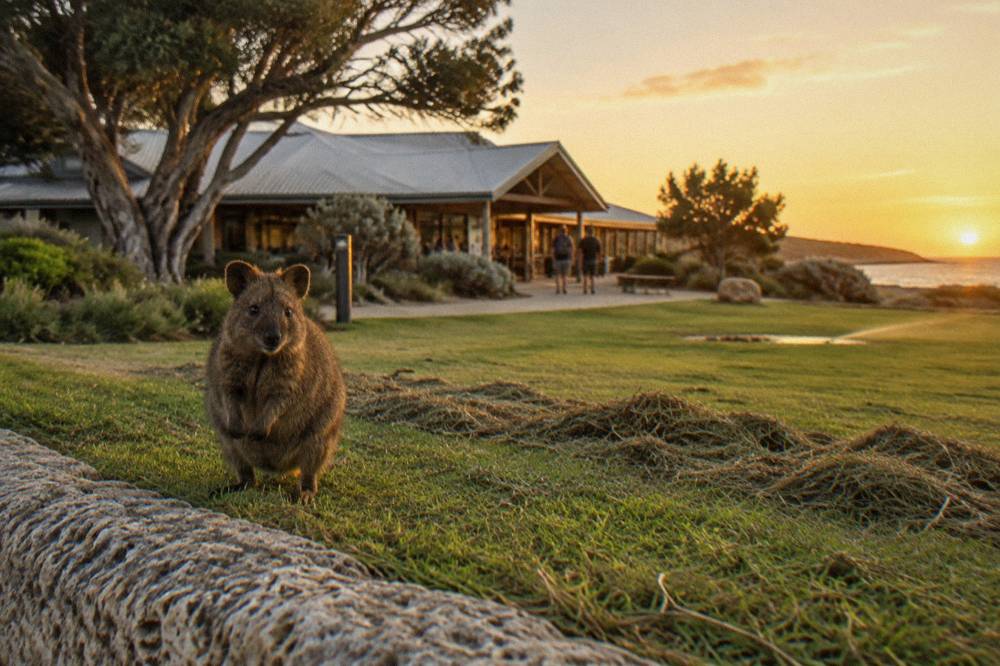
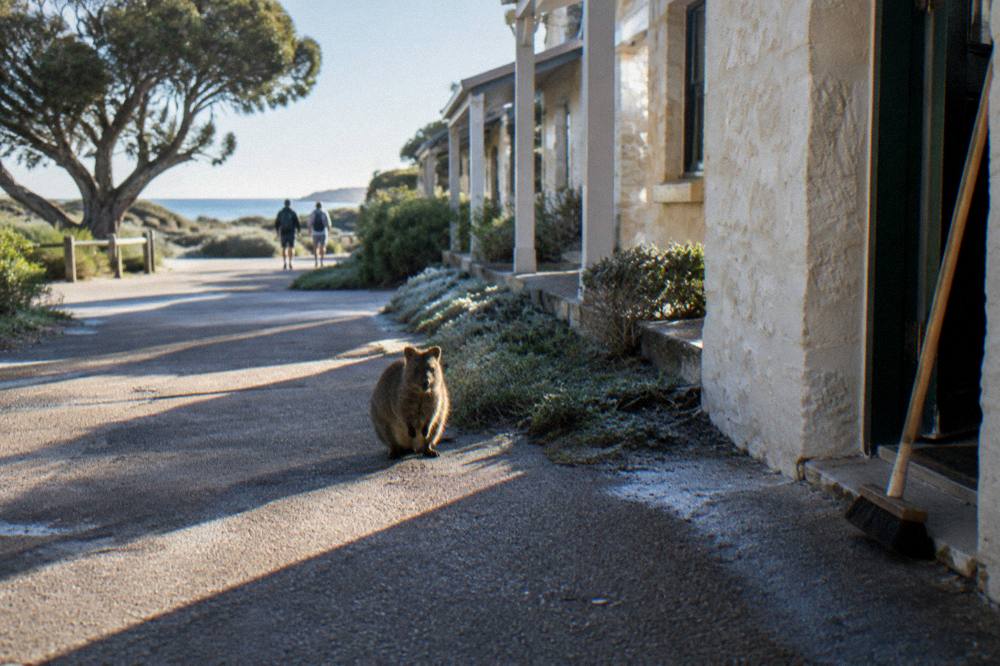
The settlement is where most visitors see them, and the reason is simple: shade, water and mown lawns concentrate the animals near the main buildings, and the ferry arrives within a few hundred metres of that zone. The rickshaw tour and the Settlement Segway tour both operate inside this area, which is why they are the quokka-branded products. But the official quokka page is clear that the island supports the world's largest population and that the animals are found well beyond the settlement.
Further out, the walking trails and the island's 45 kilometres of tracks pass through natural habitat where quokkas are present but less accustomed to people. The Wadjemup Bidi network, including the 9.5 kilometre Gabbi Karniny Bidi loop through the salt lakes, crosses quokka territory where sightings are quieter and less crowded. Bikes are prohibited on the walking trails, so this is foot traffic only.
The bus tours reach the parts of the island most day visitors never walk to: the west end, the lighthouse precinct and the bays along the southern coast. Quokkas live along those routes too, and the SeaLink ferry and bus tour's guide commentary covers the island's ecology as the loop progresses. For a visitor whose priority is seeing the island and its animals in one day, the bus format plus a settlement stroll is a sound combination.
What Are The Rules Around Quokkas, And What Are The Fines?
The rules are observe from a safe distance, do not touch, do not feed and stick to the paths. Deliberate interference with wildlife, including feeding, can draw an on-the-spot fine under the Rottnest Island Regulations 1988 and potential prosecution with fines up to A$10,000. Rangers patrol the island, and the rules apply on every tour, on every path and at every hour.
The official wording leaves no room for negotiation, and the protect our wildlife page states the prohibitions plainly. Feeding changes quokka behaviour and diet, touching habituates wild animals to humans, and offering food or water is treated as interference. The fine ceiling of A$10,000 applies to prosecution, while on-the-spot penalties apply under the island's own regulations.
| Rule | What it means in practice |
|---|---|
| Observe from a safe distance | Use the camera zoom, not your feet, to close the gap |
| Do not touch | Even if a quokka approaches, step back slowly |
| Do not feed or give water | Food and water are interference under the regulations |
| Stick to the paths | Protects habitat and keeps you clear of resting animals |
| Report sick or injured animals | Rottnest Island Rangers, +61 8 9372 9788 |
Selfie culture is the pressure point. The rules never ban photography, but they ban the behaviours that chase the perfect frame: crouching beside an animal, baiting it with food, or crowding a resting quokka until it moves. A tour guide, whether driving a rickshaw, leading a Segway group or commentating from a bus, will reinforce the same rules, and a good quokka tour is one that models the right behaviour rather than bending it.
Sick or injured wildlife has a single correct response: call the rangers on +61 8 9372 9788 and leave the animal alone. The deeper background on why the rules exist, and on the animals' protected status, is covered in the why can't I touch a quokka article.
When Is The Best Time Of Day And Year To See Quokkas?
Quokkas are most active early in the morning and late in the afternoon, so a quokka-focused visit should put you in the settlement or on the trails at those hours rather than midday. Joeys appear in pouches from about August and take their first hops around September, making late winter and spring the joey season, while summer's crowds push the animals deeper into shade.
The timing point matters more than the tour choice. A midday arrival on a February weekend puts the animals in deep shade and the settlement at its busiest, while a morning ferry puts a visitor ashore as quokkas finish their active period. The ferry crossing itself takes about 25 minutes from Fremantle, about 45 from Hillarys and up to 90 from Barrack Street Jetty, so an early Fremantle sailing is the fastest route to a morning on the island.
Season by season, the pattern is consistent. Spring brings joeys and mild walking weather. Summer, December to February, is the busiest period and the one where booking ahead genuinely matters, both for ferries and for the small-group quokka tours, which cap at 10 per group on the fortress Segway format. Autumn extends the warm-water season into April. Winter suits hiking and wildlife, though the Luxe Island Seafood Cruise does not run in winter and some boat products pause. The Rottnest weather and best time guide runs the full seasonal comparison.
| Season | Quokka outlook | Visitor notes |
|---|---|---|
| Spring (Sep-Nov) | Joeys take first hops around September | Mild, good walking weather |
| Summer (Dec-Feb) | Animals in shade midday, busiest island | Book ferries and small tours early |
| Autumn (Mar-May) | Active in cooler mornings and evenings | Warm water season runs to April |
| Winter (Jun-Aug) | Quietest island, joeys in pouches from August | Some boat products pause for the season |
The one free option worth naming is the Rottnest Volunteer Guides program, which runs free guided walking tours from the historic Salt Store, including a quokka-focused walk with listed example times of 9:15 am and 2 pm. Those times vary with weather and volunteer availability, so treat them as examples rather than a timetable. The free things to do on Rottnest guide covers the walks in full.
Can Any Tour Guarantee A Quokka Encounter?
No. Quokkas are wild animals distributed across the whole island, and no operator on this roster, from the rickshaw tour to the bus loops, can promise a sighting, a close encounter or a photo opportunity. Any product that claimed a guarantee would be selling something the island's own rules and biology do not allow, and the honest framing is probability plus patience.
The good news is that probability runs high. The island carries the largest quokka population in the world in a predator-free reserve, the animals are habituated to human presence in the settlement, and most visitors who spend a morning or late afternoon in Thomson Bay see quokkas without any tour at all. What a tour adds is local knowledge of where the animals are that week, a format that reaches more habitat in less time, and a guide who keeps the group's behaviour inside the rules. Timing matters as much as the tour choice, and our quokka timing guide explains which hours and seasons give you the best odds.
The distinction matters when reading listings. The rickshaw tour's name says quokka tour, and its format genuinely suits the goal, but its listing makes no guarantee, and its 5.0 rating from 15 reviews reflects a small pool of guests, not a promise of contact. The Segway tours describe their routes and heritage content, not wildlife outcomes. The bus tours sell the island loop. A traveller who books any of these expecting a scheduled quokka stop has misread the product.
What a visitor controls is time of day, quiet behaviour and distance. The animals are curious, and a still visitor on a path in the early morning is far more likely to have a quokka wander close than one who approaches, calls or crouches with a phone. The tour is the vehicle, not the encounter.
How Should You Plan A Quokka-Focused Day Trip?
Pick the ferry that gets you ashore early, book a small-group quokka tour for the morning or late afternoon window, fill the middle of the day with the island's other draws, and keep the whole day inside the wildlife rules. A ferry-inclusive package from A$124 to A$175 plus one island tour from A$98 to A$145 is the standard shape of the day.
The first decision is the port. Hillarys gives the shortest crossing at about 45 minutes and free parking at the boat harbour, with the Rottnest Fast Ferries bike day from A$124 including ferry, bike and admission. Fremantle's B Shed gives the quickest crossing of all at about 25 minutes, with SeaLink's ferry and entry ticket from A$90 the cheapest admission-inclusive product on the roster. Perth's Barrack Street Jetty is the scenic option at up to 90 minutes on the water. The ferry fares and tickets guide compares every fare, and the official fees page holds the admission figures.
The second decision is the tour slot. A morning rickshaw or Segway tour right after arrival catches the tail of the animals' active period, then leaves the afternoon for the beaches, the snorkel trails or a bike loop. The reverse also works: beaches first, then a late-afternoon settlement tour as the island quiets and quokkas re-emerge. Both patterns respect the animals' rhythm instead of fighting it.
| Time block | Suggested plan | Why it works |
|---|---|---|
| Early morning | Ferry from Fremantle or Hillarys, arrive as quokkas wind down | Shortest crossings, coolest hours |
| Mid-morning | Rickshaw or Settlement Segway tour | Guided time in the active zone |
| Midday | Beaches, snorkel trail or lunch in the settlement | Animals rest in shade, you rest too |
| Late afternoon | Settlement stroll or volunteer-guided walk | Quokkas become active again |
| Evening | Return ferry, or stay overnight if booked | Extended-stay admission applies |
The third decision is the backup plan. If the quokka tour is the day's centrepiece, book it before the ferry, because the small-group formats, the rickshaw's private slots and the Segway group caps, fill ahead of ferry capacity in peak season. Free cancellation applies to the rickshaw, both Segway tours and the SeaLink bus tour, which softens the commitment. And if the budget is tight, the free volunteer-guided quokka walk plus a self-guided settlement morning costs nothing beyond the ferry and admission.
Common Questions About Rottnest Quokka Tours
Can any Rottnest Island quokka tour guarantee a sighting?
No. Quokkas are wild animals found across the whole island, and no operator on the roster promises an encounter. The private rickshaw tour, the Segway tours and the bus tours all operate in quokka habitat, but sightings depend on the day, the hour and the animals.
Which tour is best for seeing quokkas on Rottnest?
The private rickshaw quokka tour from A$145 per person is the most quokka-oriented product: private pace, a settlement focus and a 1.5 hour loop from Thomson Bay. The 1-hour Settlement Segway tour from A$98 is the lower-cost option in the same zone.
Is it legal to touch or feed a quokka on a tour?
No. The rules are observe from a safe distance, do not touch, do not feed and stick to the paths. Deliberate interference can draw an on-the-spot fine under the Rottnest Island Regulations 1988 and potential prosecution with fines up to A$10,000. Guides enforce the same rules as rangers.
Do I need to book a quokka tour in advance?
Yes for peak season. The rickshaw tour runs private slots for three adults or a family of four, the Fortress Adventure Segway tour caps at 10 per group, and the SeaLink ferry and bus tour often sells out. All three carry free cancellation on their listings.
Can I see quokkas without taking a tour?
Yes, and most visitors do. Quokkas are commonly seen in and near the Thomson Bay settlement, especially early morning and late afternoon, and the Rottnest Volunteer Guides run free guided walking tours from the Salt Store with a quokka-focused walk among them. Times vary with weather and volunteer availability.
What time of day are quokkas most active on Rottnest?
Early morning and late afternoon. Quokkas are mainly nocturnal and rest in shade through the middle of the day, so a quokka-focused day should place the settlement or trail time at the edges of the day rather than at noon.