What Happens If You Get Bitten By A Quokka?
Quokka bites on Rottnest Island almost never happen to visitors who follow the rules, because touching and feeding are prohibited and fines reach A$10,000. Here is what the official guidance says.
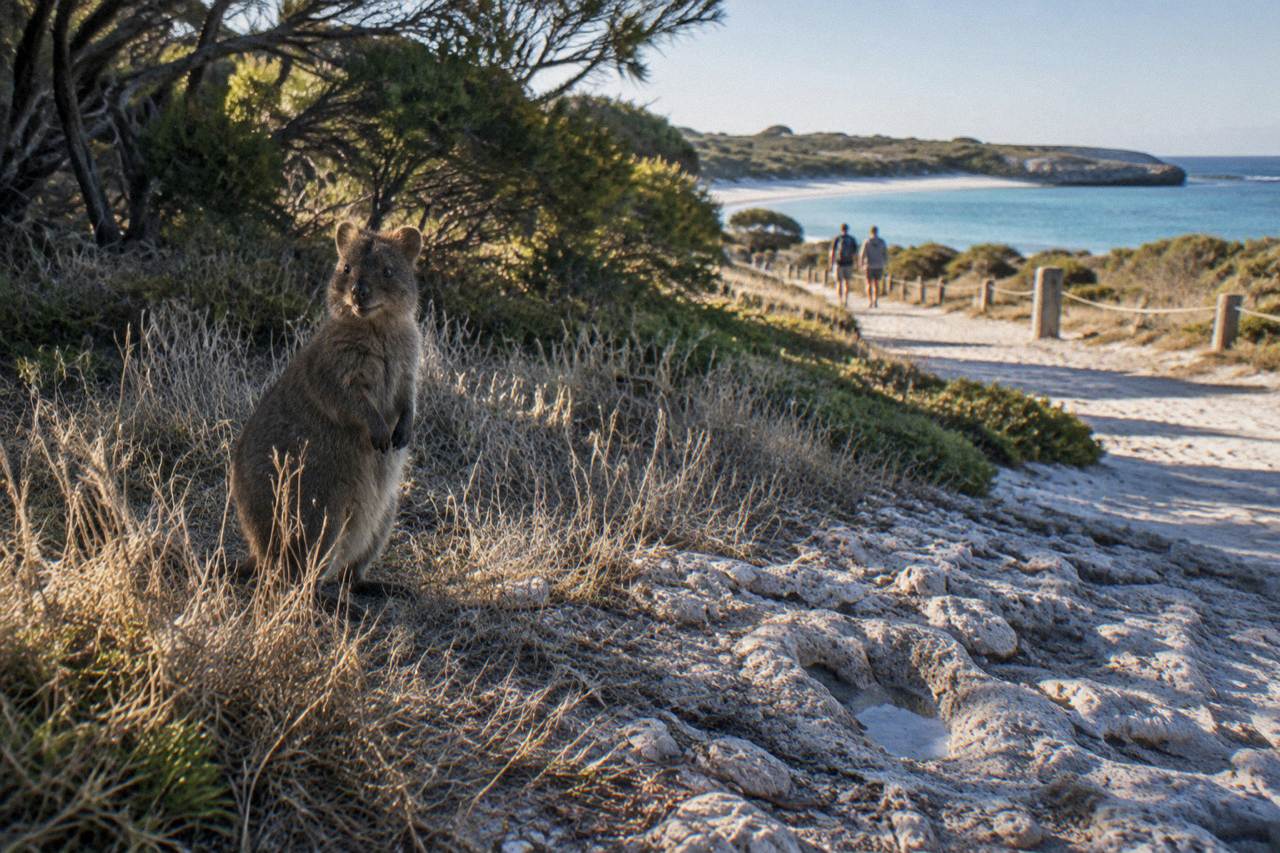
Rottnest Island's most photographed residents are wild animals, and the law treats them that way. A quokka is a small macropod, a cousin of the wallaby, and it lives across the whole island in the world's largest population of the species. Visitors sometimes ask what happens if one bites, and the short, reassuring answer sits less with first aid than with distance: the rules that protect quokkas, observe from a safe distance, do not touch, do not feed, stay on the paths, exist precisely so that neither person nor animal ever gets into that situation. If you assumed this island is their only home, the guide to where else quokkas live explains which mainland spots still hold small wild populations and how to see them responsibly.
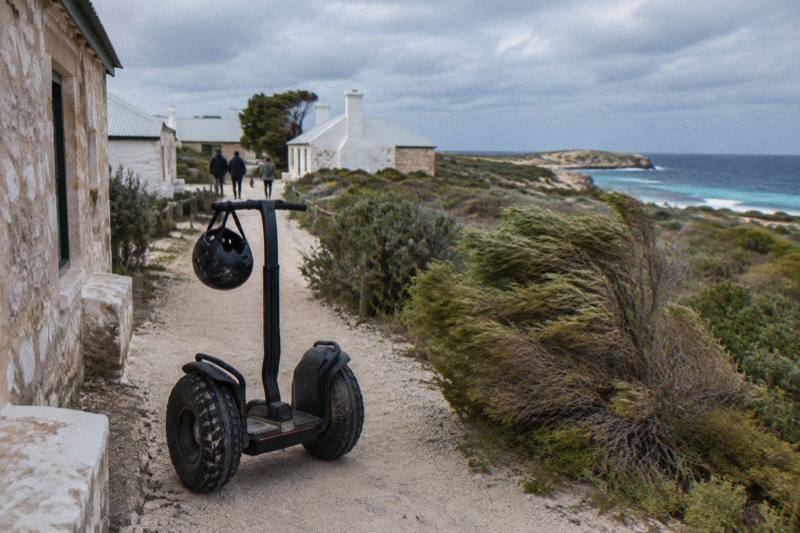
This article lays out the official position as published by the Rottnest Island Authority and the island's own visitor pages: what the regulations say, what the penalties are, what to do if you spot a quokka that looks sick or injured, and which guided experiences, from the private rickshaw quokka tour to the settlement Segway tours, let you enjoy the island's wildlife without ever crowding an animal. Nothing here is medical advice. If you have a health concern of any kind, speak to a pharmacist, a doctor or the island's medical service, and for wildlife concerns call the Rottnest Island Rangers on (+61 8) 9372 9788.
What Happens If You Get Bitten By A Quokka?
In practical terms, almost nothing reported happens at all, because nobody should be close enough to be bitten: touching, feeding and deliberate interference are prohibited, rangers patrol the island, and anyone who breaks the rules can be fined on the spot and prosecuted with fines up to A$10,000. A quokka is not aggressive; it is a shy, mainly nocturnal marsupial that avoids conflict. Distance, not treatment, is the whole answer. If you're curious about why the rules are so strict, our guide to the quokka rules on Rottnest Island explains what's off limits, how the penalties work, and which tours let you see them properly.
The question is worth unpacking honestly rather than dismissing. Quokkas are wild marsupials with the teeth that go with that life, and like any wild animal a cornered, startled or food-seeking individual can nip. But the scenarios that would put a person within nipping range are exactly the scenarios the island bans: reaching out to pat one, holding food down at animal height, or crowding one against a wall for a photo. Follow the published rules and the risk collapses toward zero, not because quokkas are cuddly, but because you never enter their space.
If an incident did somehow occur, the sensible steps are mundane: move away calmly, clean any broken skin with clean water, and seek advice from a health professional for any wound of concern, exactly as you would after a scratch from any animal or a scrape on reef. This site does not offer medical guidance beyond that, and no verified bite statistics exist for Rottnest, so none are invented here. What can be stated firmly is the legal framing, which is the island's real answer to the question.
That framing runs one way only. A bite provoked by a visitor's own prohibited behaviour, feeding, touching, chasing, is interference with wildlife, and it is the visitor who faces the penalty, not the animal. The quokka is protected under the Rottnest Island Regulations 1988 and relevant WA conservation law; the person leaning in for a prohibited selfie is not.
For travellers whose main goal is seeing quokkas well, guided options solve the problem before it starts. The private rickshaw quokka tour from Frankie's on Rotto, rated 5 from 15 reviews and priced from A$145 per person, moves a small group at walking pace through Thomson Bay habitat with a local guide who knows where the animals are active, and the Segway Tours WA products keep groups small and structured. You can compare the quokka-focused options in the Rottnest quokka tours guide.
Why The Rules Keep You Too Far Away To Be Bitten
The island's rules are simple and absolute: observe quokkas from a safe distance, do not touch them, do not feed them, and stick to the paths. Those four instructions, published by the Rottnest Island Authority, remove every realistic route to a bite. A quokka that is never approached, never handed food and never cornered has no reason to use its teeth on anyone. Keeping your distance is easiest when quokkas are out and about, so our guide to the best times and places to spot them shows when the animals are most active around the island.
Quokkas are mainly nocturnal and most active early morning and late afternoon, which is why photographers find them around the settlement at dawn and dusk. They are curious, and that curiosity is where trouble starts. A quokka will sometimes wander close to a person, particularly near the Thomson Bay settlement where food scraps and shade concentrate activity. The official guidance for that moment is to hold your ground politely: keep your distance, never extend a hand, never dangle food, and if one approaches you, step back slowly and let it pass. Use your camera's zoom rather than your feet to close the gap.
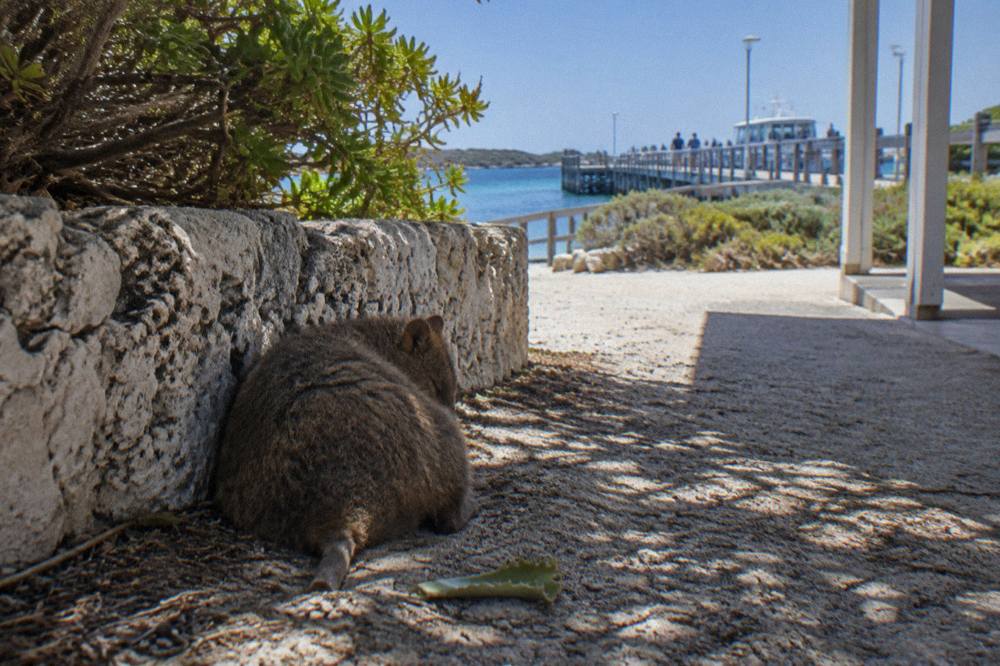
Feeding deserves its own sentence, because it is the single behaviour most likely to change a quokka's natural wariness into problematic begging. Human food is not a quokka's diet, dependence on handouts harms their health and breeding, and an animal that learns to approach people for food is the animal most likely to be close enough to nip when the food does not appear. The island's pages on protecting island wildlife spell out the no-touch, no-feed position without exceptions.
There is also a conservation backdrop that explains why the rules have teeth. The quokka is listed as Vulnerable, and Rottnest, known to Whadjuk Noongar people as Wadjemup, holds the largest subpopulation in a predator-free Class A Reserve. The Australian Government's quokka conservation profile notes the island population fluctuates seasonally, at times reaching around 10,000 to 12,000 animals. Every visitor who keeps to the paths is protecting that population, one small decision at a time.
If you want the fuller picture of where and when quokkas appear, the quokkas on Rottnest guide covers the dawn and dusk windows, the settlement hotspots and the quieter bays.
What The Penalties Actually Are
Anyone who deliberately interferes with quokkas or any wildlife, which includes feeding and touching, can be fined on the spot under the Rottnest Island Regulations 1988 and potentially prosecuted with fines up to A$10,000. Rangers patrol the island regularly. These penalties apply to interference with protected animals; they are the reason the safe-distance rules are treated as law rather than etiquette.
The exact wording matters, so here it is as the official pages state it: observe from a safe distance, do not touch, do not feed, stay on the paths. Deliberate interference, including feeding, draws the on-the-spot fine and the prospect of prosecution. The A$10,000 figure is the published maximum for those offences. Rangers enforce it, and signage across the settlement repeats it in plain language.
| Rule as published | What it means in practice | Who it protects |
|---|---|---|
| Observe from a safe distance | Watch and photograph without closing the gap; use zoom, not footsteps | The quokka's natural behaviour and your legal standing |
| Do not touch | Never pat, hold or restrain a quokka, even one that approaches you | Both parties; contact is interference |
| Do not feed | No food, no water, no scraps, nothing offered by hand | The animal's health and its wariness of people |
| Stay on the paths | Keep to marked trails and boardwalks through habitat | Nesting and feeding grounds across the reserve |
It is worth being blunt about the asymmetry. A traveller who breaks these rules and gets nipped in the process has, in the eyes of the regulations, committed the offence; the animal has not. This is why every responsible tour operator on the island, from Segway Tours WA to the rickshaw guides, drills the same instructions before departure. The rules are not there to spoil the fun. They are the reason the fun exists at all, because a population that is never harassed stays relaxed enough to be seen at all.
Guided products make compliance easy because a guide sets the tone. The one-hour settlement Segway tour, from A$98 and rated 4.7 from 63 reviews, rolls through the settlement's quokka territory with a briefing on distance before the wheels start, and the SeaLink ferry and bus tour, from A$149 with a 4.6 rating from 1,515 reviews, pairs the crossing with an organised island circuit that keeps groups on roads and boardwalks. Both remove the guesswork.
How To Photograph A Quokka Without Getting Close
Use your camera's zoom, keep low and still, let the animal decide the distance, and never bait the frame with food. If a quokka moves toward you, step back slowly. A photo taken at the animal's chosen distance is legal, safe and usually better composed than anything gained by crowding it, and it removes any scenario where teeth come into play.
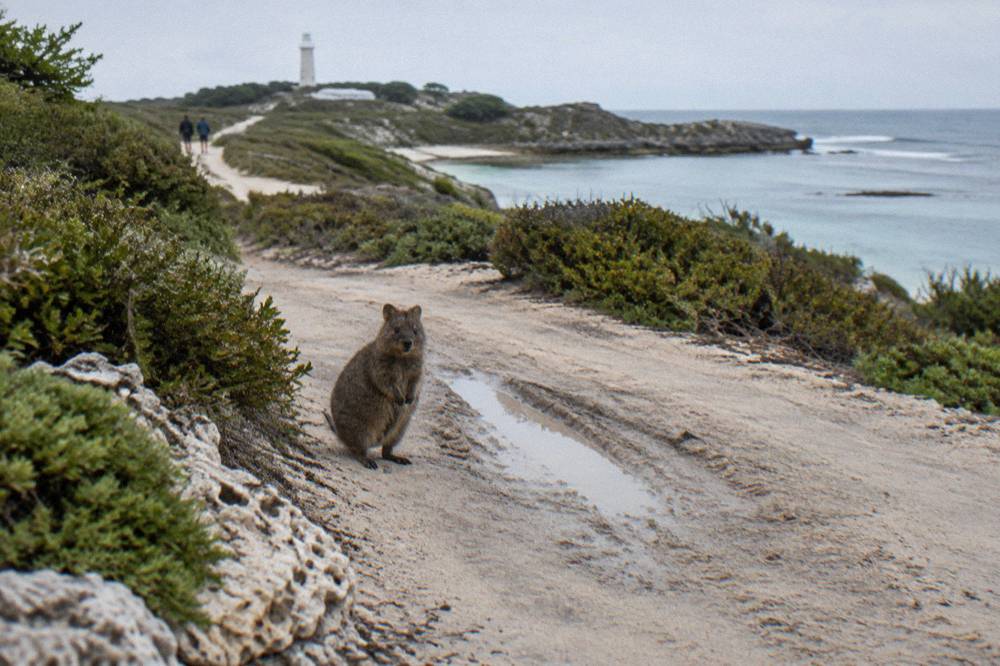
The settlement around Thomson Bay is where most quokka photography happens, because that is where the animals are most often visible in shade during the day. The calm, unhurried options work in your favour here. The private rickshaw quokka tour, run by Rotto Rickshaws from Frankie's on Rotto, moves at the pace of a stroll, carries up to three adults or a family of four, and lets a guide position you at spots where quokkas are already comfortable. At from A$145 per person with a 5 rating from 15 reviews, it is the most direct way to convert a safe-distance policy into actual sightings, with no promise of contact, because none is permitted.
Timing matters as much as technique. Quokkas are most active early morning and late afternoon, so the photographers carrying the best frames home are usually the ones who caught the first ferry or lingered near the last. Spring adds a seasonal bonus: joeys appear in the pouch from about August and take their first hops around September, and the official quokka page describes that cycle without promising sightings to any visitor on any day.
A few practical habits cover the rest. Keep food sealed in your bag rather than in your hand near habitat. Shoot in the golden hour when animals are naturally about. Give any quokka a clear exit rather than standing between it and cover. And if you want the sightings without the self-guided pressure, the guided Rottnest trips from Perth roundup covers escorted formats that build the wildlife etiquette into the day.
What To Do If You See A Sick Or Injured Quokka
Do not touch the animal or try to move it. Call the Rottnest Island Rangers on (+61 8) 9372 9788, report the location, and leave the animal where it is. Rangers are the trained responders for sick or injured wildlife on the island, and every official page gives the same instruction: report, step back, let the professionals handle it.
This is the one scenario where a visitor might genuinely be tempted to pick up a quokka, and it is exactly the scenario where you must not. A distressed wild animal can bite or scratch in panic even when it would never do so otherwise, and handling can worsen its condition. The rangers' number exists for precisely this call, and reporting a genuinely struggling animal is a help to the reserve, not an interference with it.
The same principle covers the island's birds and marine life. Rottnest is a Class A Reserve with all native flora and fauna protected, so the no-touch default applies to skinks, sea birds and reef animals as much as to quokkas. When in doubt on any wildlife question, the ranger line answers it in one call.
Tours That Watch Quokkas The Right Way
The safest wildlife viewing on Rottnest comes from structured, guided formats: the private rickshaw quokka tour from A$145, the settlement and fortress Segway tours from A$98 and A$139, and ferry-based bus circuits from A$147. Each keeps groups on set routes with briefed distance rules, which is exactly the condition under which bites do not happen.
Comparing the main options shows how little separates them on safety and how much on style. The rickshaw is the most intimate and the slowest, the Segways add a fun mobility layer with strict group caps, and the ferry-inclusive bus tours bundle the crossing, admission and an island loop into one ticket.
| Tour | Price from | Rating and reviews | Duration | Why it suits safe quokka viewing |
|---|---|---|---|---|
| Private rickshaw quokka tour | A$145 per person | 5 from 15 reviews | 1.5 hours | Walking pace, small group, local guide positioning |
| One-hour settlement Segway tour | A$98 per person | 4.7 from 63 reviews | 1 hour | Guided settlement loop with pre-ride distance briefing |
| Fortress Adventure Segway tour | A$139 per person | 4.8 from 117 reviews | 1.5 hours | Same operator rules, maximum 10 per group |
| SeaLink ferry and bus tour | A$149 per person | 4.6 from 1,515 reviews | 7 hours to a full day | Organised circuit, ferry and admission included |
Note what the table does not contain: any promise of a sighting or an encounter. No honest listing offers one. Quokkas are wild, they move on their own schedule, and the operators who describe them accurately, Segway Tours WA, Rotto Rickshaws, SeaLink, Rottnest Express and Rottnest Fast Ferries alike, all frame the animals as a likely highlight rather than a booked guarantee. The deeper comparison of escorted formats sits in the Rottnest bus and train tours guide.
There is also a free, official option worth knowing. The Rottnest Volunteer Guides run free guided walking tours daily from the historic Salt Store, including a session focused on the island's wildlife, with times varying by weather and volunteer availability. It is the purest version of the safe-distance ethos: a knowledgeable local, a set route, and no commercial pressure to deliver an up-close moment.
Planning Around The Wildlife Rules
Budget for the island admission, which is A$21.50 for a single-day adult, A$11 for a child aged 4 to 16 and A$57 for a family of two adults and two children, collected inside the ferry fare. Book guided wildlife products ahead in peak season, keep the ranger number saved, and treat the distance rules as the one non-negotiable of the day. Everything else about a Rottnest visit is flexible; that part is law.
| Item | Figure | Notes |
|---|---|---|
| Single-day admission, adult | A$21.50 | Collected inside the ferry fare at booking |
| Single-day admission, child 4 to 16 | A$11 | Under 4 free |
| Single-day admission, family | A$57 | Two adults and two children |
| Extended-stay admission, adult | A$28.50 | For overnight visits travelling on different days |
| Rangers, sick or injured wildlife | (+61 8) 9372 9788 | Report, do not touch |
The Rottnest Island Tours roster runs from the A$40 Oliver Hill train and tunnel tour up to the A$499 tandem skydive, and every one of those products operates under the same wildlife regulations. Whether you arrive on the Rottnest Fast Ferries bike day from Hillarys, the Rottnest Express crossing from Fremantle, or a SeaLink sailing from Perth, you land in the same Class A Reserve with the same rules. Knowing them before you sail is the whole preparation.
For readers who want the deeper background on why the no-touch rule exists and what it protects, the companion piece why can't I touch a quokka works through the conservation reasoning, and the free things to do on Rottnest guide lists the walks and lookouts that cost nothing beyond admission.
Common Questions About Quokka Bites
What Happens If You Get Bitten By A Quokka?
Under the island's rules it should never come to that, because touching, feeding and crowding quokkas are prohibited. If skin is broken, clean it with clean water and seek advice from a health professional for any wound of concern. Note that a bite arising from prohibited interference is an offence by the visitor, punishable by an on-the-spot fine and potential prosecution with fines up to A$10,000.
Can you get sick from a quokka bite?
This site gives no medical advice. As with any animal wound, clean any broken skin with clean water and speak to a health professional about any concern. Prevention is simpler: observe from a safe distance, do not touch and do not feed, and there is no wound to worry about.
Is it illegal to touch a quokka on Rottnest Island?
Yes. Touching quokkas is deliberate interference with protected wildlife. It can draw an on-the-spot fine under the Rottnest Island Regulations 1988 and potential prosecution with fines up to A$10,000. Rangers patrol the island regularly.
Why can't you feed quokkas?
Human food harms their health, and feeding teaches animals to approach people, which changes their natural behaviour and creates the close-quarters situations the rules exist to prevent. Feeding is prohibited and carries the same penalties as touching.
What should I do if a quokka approaches me?
Step back slowly and let it pass. Do not reach out, do not offer food or water, and take any photo at the animal's chosen distance using your zoom. The quokka's curiosity is not an invitation to touch.
Who do I call about a sick or injured quokka?
Call the Rottnest Island Rangers on (+61 8) 9372 9788. Report the location and leave the animal where it is; rangers are the trained responders and handling a distressed wild animal can harm it and you.